
Chalet Chef Jobs:
What the Work Actually Involves
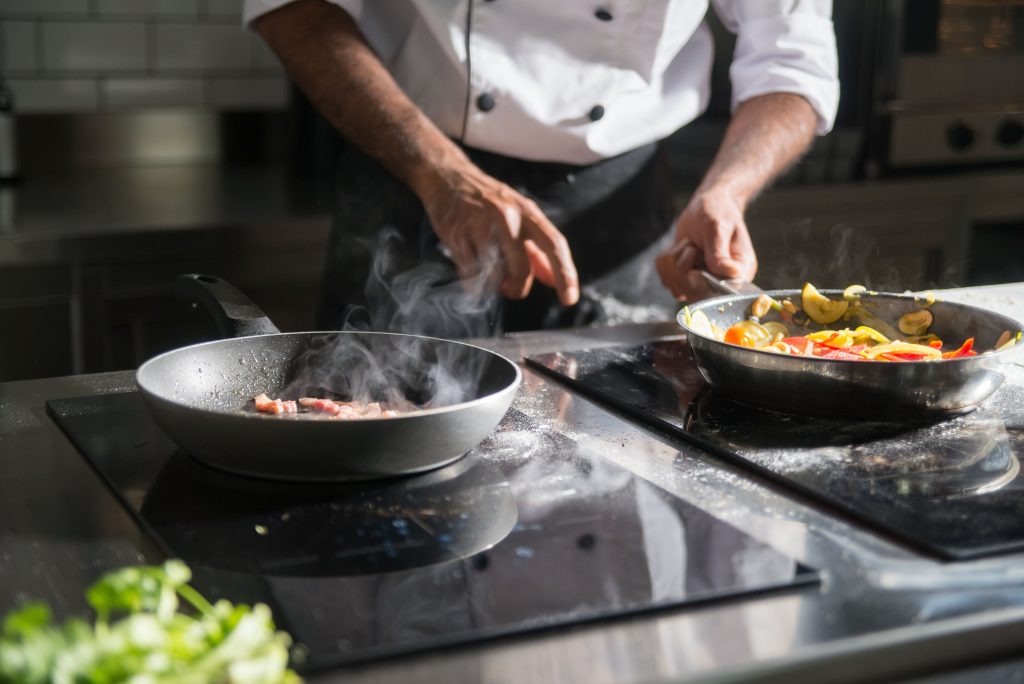
Chalet chef jobs are one of the most sought-after roles in seasonal alpine hospitality. A chalet chef is responsible for the full food and dining experience in a private catered chalet: breakfast, afternoon tea, dinner, and everything in between. The role combines genuine cooking skill with the kind of warm, personal service that guests in luxury ski chalets expect and remember.
This page covers what chalet chef jobs involve, what skills and qualifications employers look for, what the work is really like across a ski season, and how to build a pathway into this career.
What Does a Chalet Chef Do?
A chalet chef manages all food and dining for a group of guests staying in a catered ski chalet, typically for a full season. The role covers every meal of the day, all kitchen management, and the hospitality side of the dining experience.
Day-to-day responsibilities typically include:
Planning weekly menus around guest preferences and dietary requirements
Preparing and serving breakfast each morning
Providing afternoon tea, cakes and snacks after skiing
Cooking and presenting a two or three course dinner each evening
Managing provisioning and food budgets throughout the week
Maintaining kitchen hygiene and food safety standards
Communicating with guests about dietary needs, preferences and menu choices
Hosting dinner service with warmth and professionalism
In higher-end chalets, the chef also acts as the face of the dining experience: explaining dishes, adapting menus on the fly, and creating a social atmosphere around the table. Cooking is the foundation. Hospitality is what guests talk about when they get home.
Types of Chalet Chef Jobs
Seasonal Chalet Chef Jobs
The most common entry point. A seasonal chalet chef works a full alpine winter season, typically from December through April, in a catered chalet in the French, Swiss or Austrian Alps. Accommodation, meals and often lift passes are included. The role suits people who want to combine serious cooking with a ski season lifestyle.
Private Chalet Chef Jobs
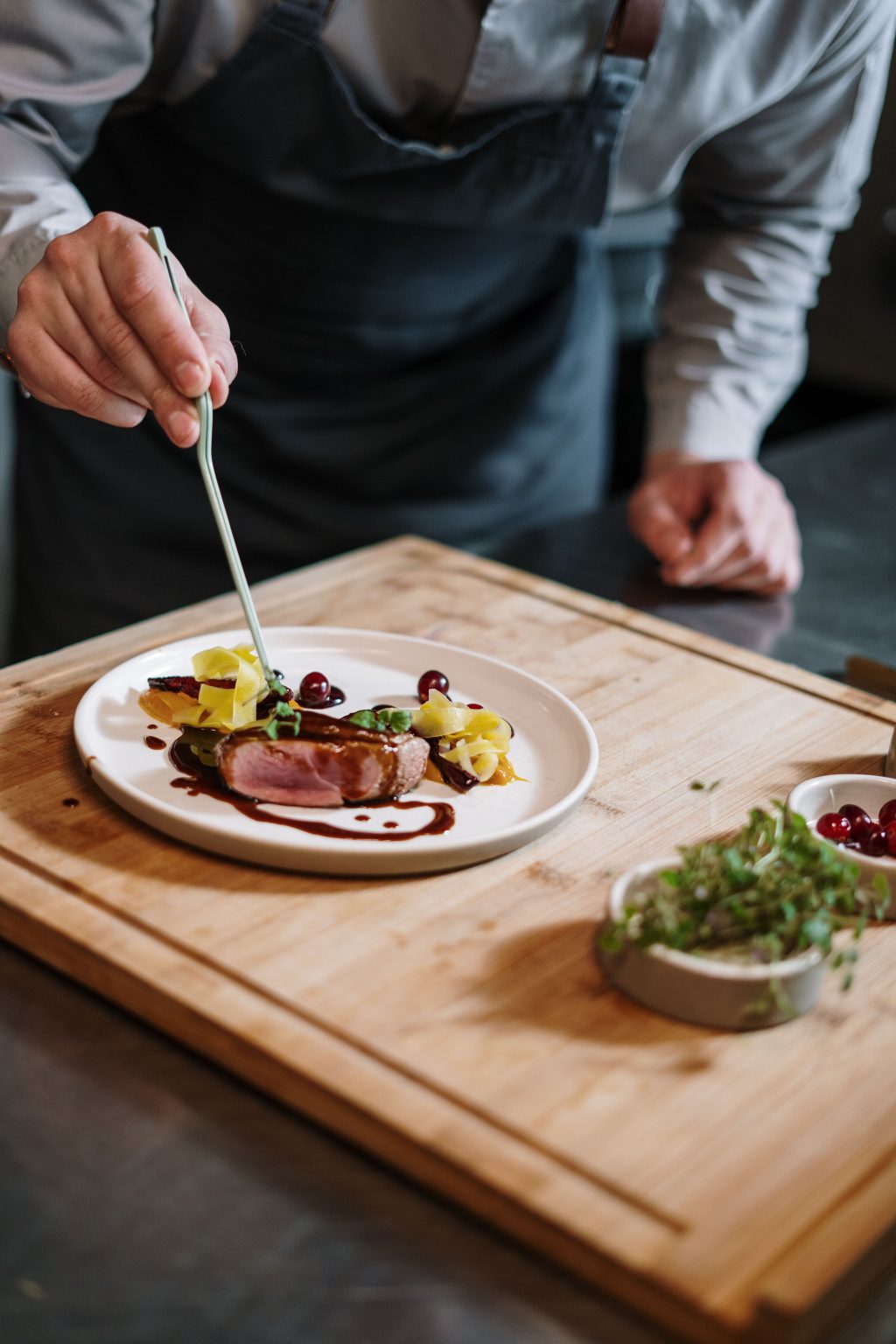
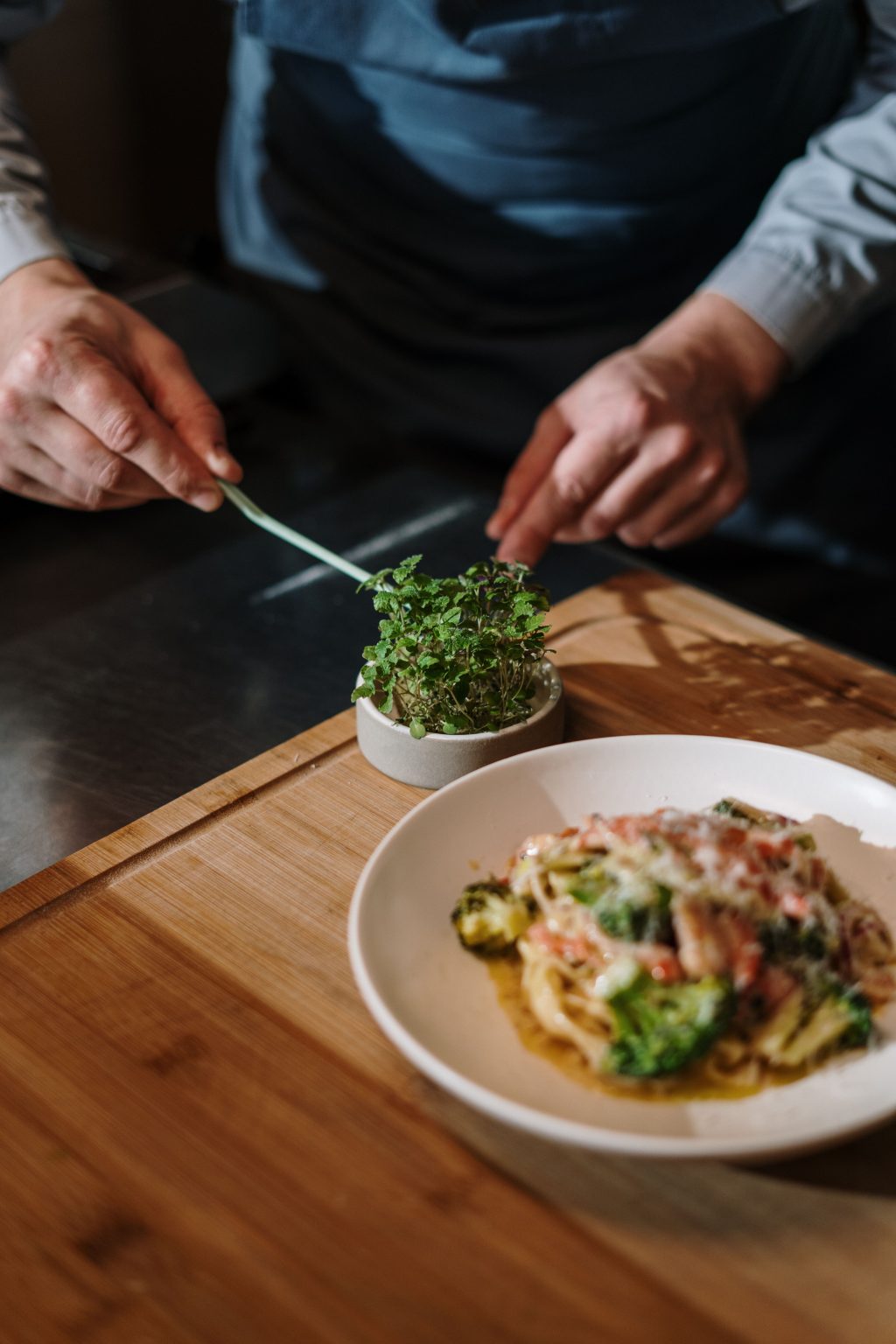
Private chalet chef roles involve cooking exclusively for one family or group booking a chalet for a week or longer. These roles require a higher level of culinary skill and flexibility, as menus are often tailored around specific preferences, dietary requirements and guest requests. Pay and expectations are both higher than in standard catered chalet roles.
Agency-Placed Chalet Chef Jobs
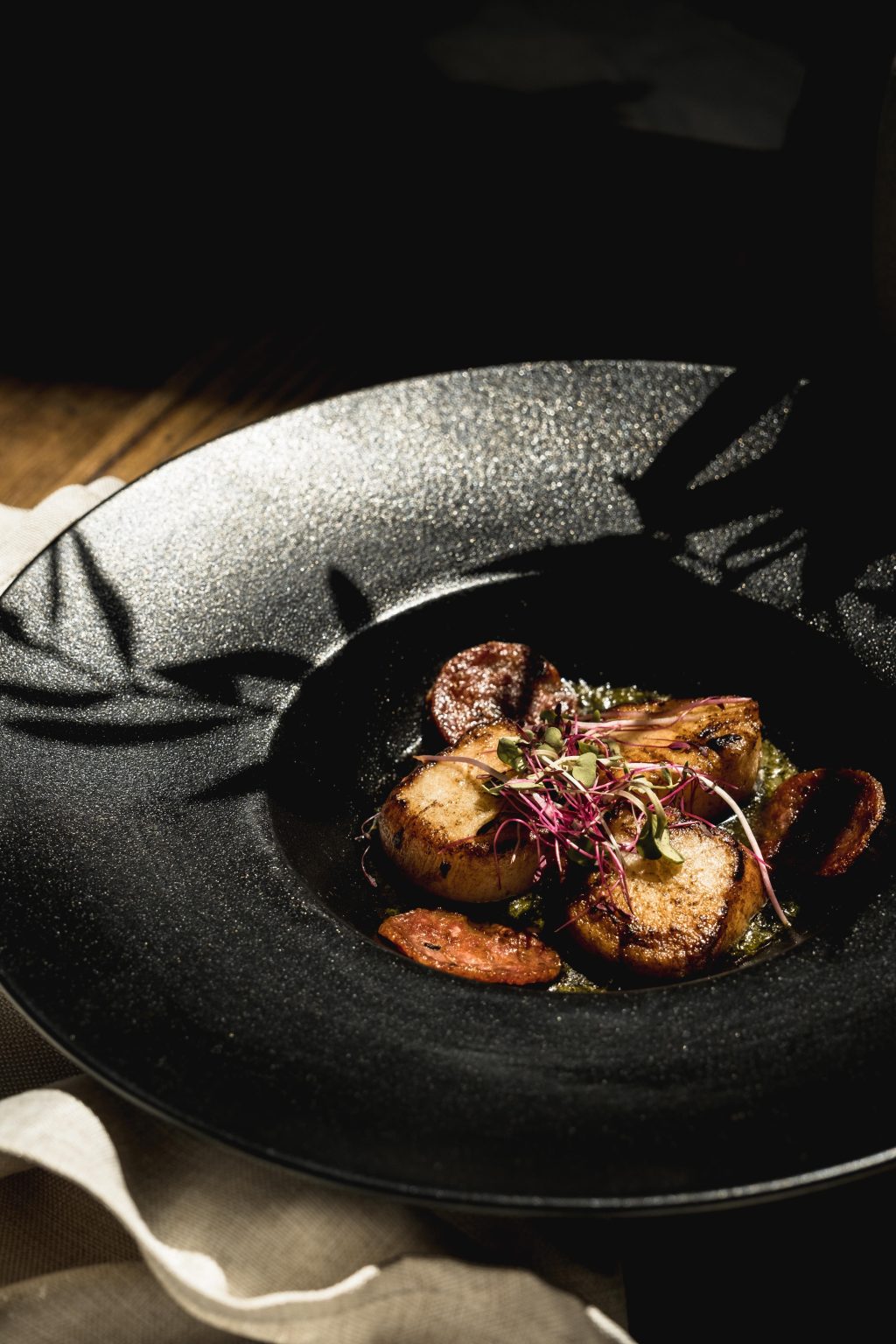
Many chalet operators and management companies hire chefs through specialist hospitality agencies or networks. Agency placements give chefs access to a range of operators and properties, often with a vetted selection process that carries more weight with premium clients.
Independent Freelance Chalet Chefs
Experienced chalet chefs with strong references and a portfolio of seasonal work often move into freelance arrangements, working directly with chalet owners or management companies without going through an agency. These roles offer more autonomy and typically better rates, but require a strong professional reputation built over several seasons.
What Chalet Chef Jobs Are Really Like
The Ski Season Schedule
A ski season contract typically runs from late November or early December through to late April or early May, covering roughly 18 to 22 weeks of active service. Most chalet chef contracts follow a weekly cycle aligned to changeover days: guests arrive on Saturday or Sunday, and the chef manages the full week of meals before the group departs and the next group arrives.
Days off are typically one to two per week, often mid-week when guest schedules allow.
Working Hours and Pace
Chalet chef days are long. A typical day starts early for breakfast preparation and ends after dinner service and kitchen clean-down, often running 10 to 14 hours. Afternoon tea adds a third service between breakfast and dinner that keeps the kitchen active across the full day.
The pace is intense during service and quieter during preparation windows. Strong time management and the ability to work independently without a full brigade are essential.
Guest Expectations
Guests staying in catered chalets have paid for a premium experience. They expect food that is well cooked, well presented and adapted to their preferences. Dietary requirements (vegetarian, vegan, gluten-free, allergies) are standard in most weeks and must be managed professionally from Day 1.
Accommodation and Living Conditions
Most chalet chef contracts include accommodation in staff quarters within or near the chalet, along with meals during the season. This significantly reduces living costs and makes the seasonal earnings go further than a comparable city role.
Qualifications and Skills for Chalet Chef Jobs
Do Chalet Chefs Need Qualifications?
There is no single mandatory qualification for chalet chef jobs, but employers expect demonstrable cooking ability and some form of professional kitchen or hospitality background. A culinary qualification, relevant training course, or a track record of cooking for groups strengthens any application significantly.
Food hygiene certification (Level 2 or equivalent) is expected as a baseline across most operators. Some premium chalets require Level 3.

Cooking Skills
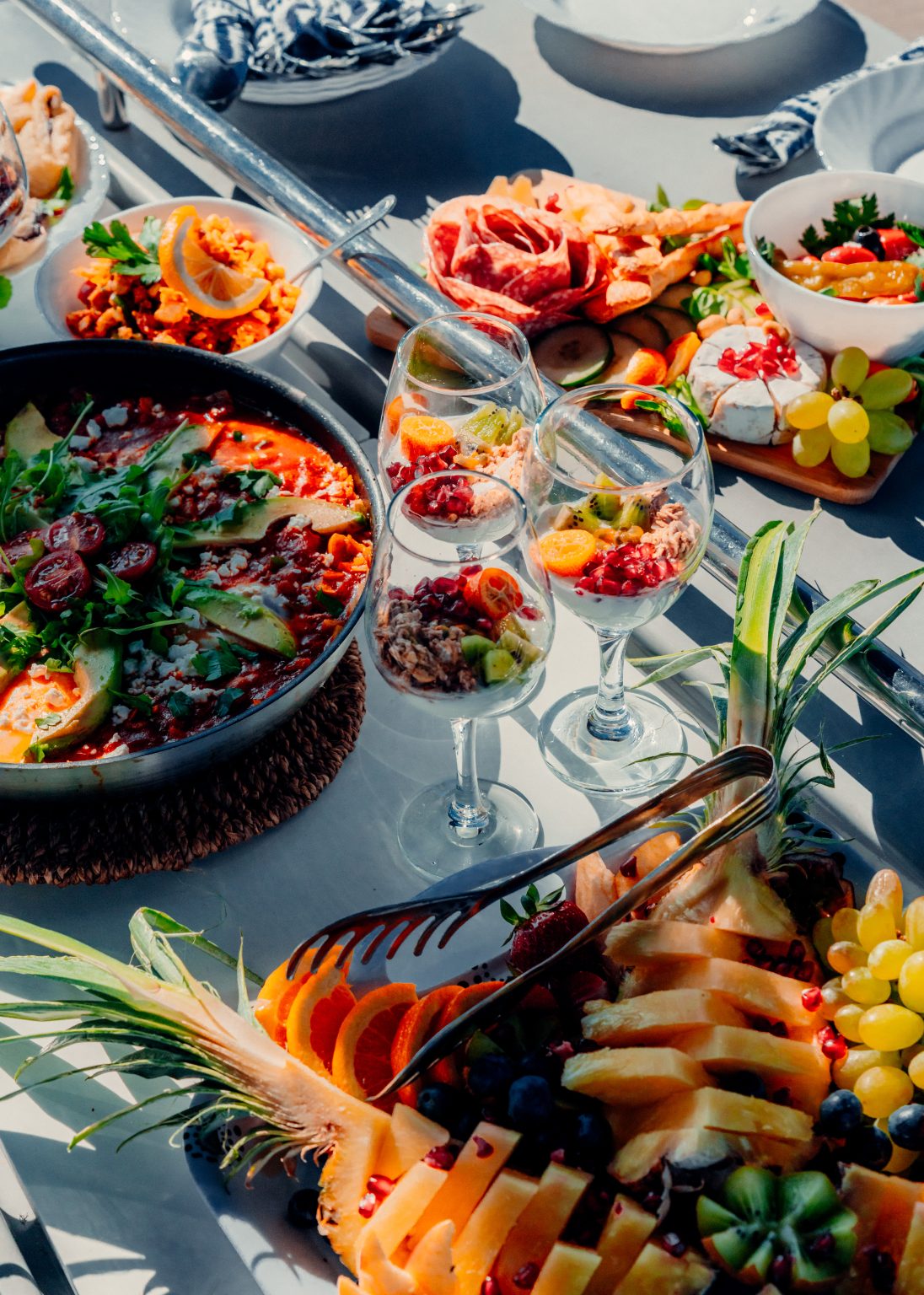
Strong, versatile cooking ability is the core requirement. Chalet chefs work without a team in most properties, so the ability to plan, prepare and execute across all three services independently is essential. Key areas include:
- Confident breakfast service for groups of 8 to 16 guests
- Reliable carb and protein cookery at volume (pasta, rice, roasted meats, fish)
- Warm sauce technique (pan sauces, tomato-based sauces, cream reductions)
- Baking and pastry for afternoon tea (cakes, traybakes, biscuits)
- Two and three course dinner composition and plating
- Menu planning across a full week with variety and dietary adaptation
Hospitality Skills
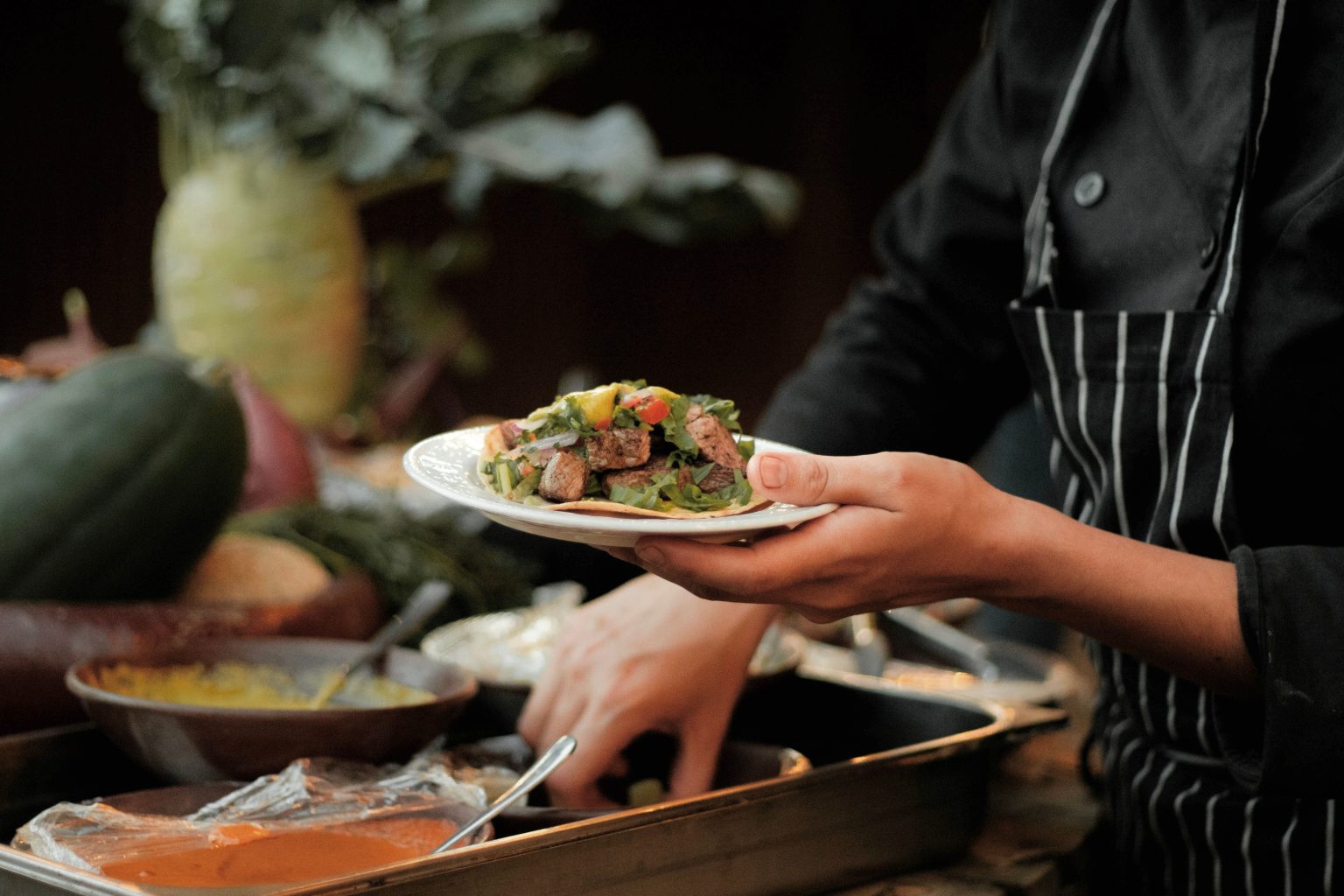
Cooking is only part of the role. Chalet chefs interact with guests daily. The ability to communicate warmly, read the room at dinner, handle guest feedback gracefully and maintain a professional presence throughout the season distinguishes good chalet chefs from excellent ones.
Organisation and Self-Sufficiency
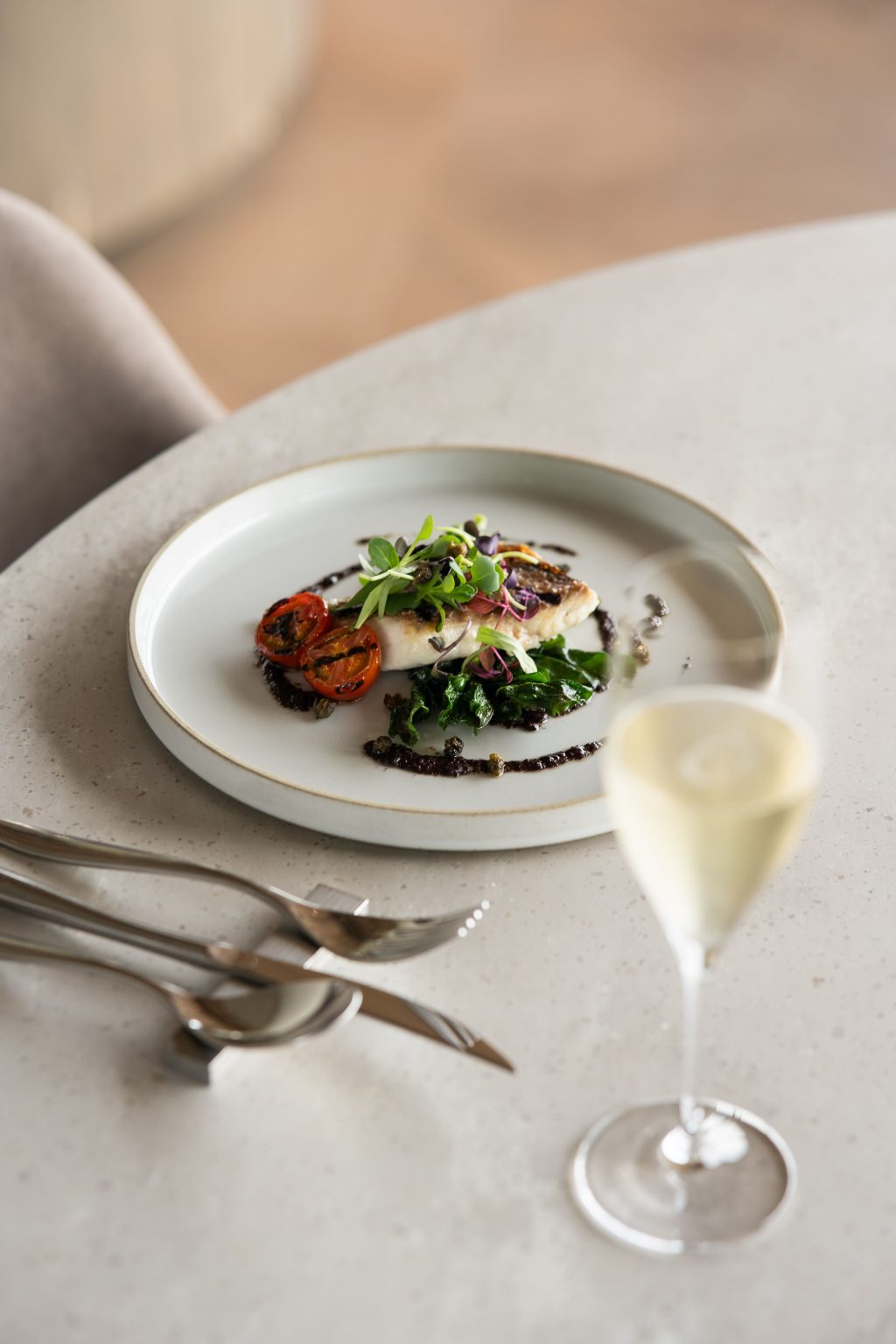
Without a head chef above them or a full kitchen team below them, chalet chefs must manage their own time, their own provisioning budget, and their own kitchen standards throughout the season. Strong organisational skills and the ability to work independently are non-negotiable.
Where Chalet Chefs Come From
Chalet chef jobs attract people from a wide range of backgrounds. Many chalet chefs come from:
- Restaurant and professional kitchen backgrounds
- Yacht and marine hospitality (where independent galley cooking is very similar in structure)
- Catering and events
- Private household cooking
- Seasonal tourism across other industries (villas, retreats, lodges)
The crossover from yacht hospitality to chalet cooking is particularly strong. The rhythm of planning meals for a small private group, managing provisioning, cooking independently across multiple services a day, and maintaining high presentation standards in a compact space translates directly from a yacht galley to a catered chalet kitchen.
Chalet Chef vs Private Chef vs Yacht Chef
Those roles are related but distinct. Understanding the differences helps candidates position themselves and target the right opportunities.

Chalet Chef
A chalet chef works in a ski chalet for one or more weekly guest groups across a fixed alpine season. The role is seasonal, the kitchen is land-based, and the guest group changes each week. The pace is high-volume with a strong hospitality component.

Private Chef
A private chef works for a household, individual or family on an ongoing basis, either live-in or daily. The relationship is more personal and consistent, the menu is often set by the principal’s preferences, and the role extends across multiple environments (home, travel, events).
Yacht Chef
A yacht chef works in a galley of a sailing or motor yacht, cooking for charter guests or a private owner’s party across charter weeks or extended passages. The kitchen is compact and often moving, provisioning is planned in advance from marina locations, and the role runs alongside a skipper and sometimes a host.
All three roles require independent cooking under pressure for small private groups. Experience in any one of them is genuinely transferable to the others.
Chalet Chef Salaries and Earnings
Chalet chef earnings vary depending on the operator, the property, experience level and whether the role is agency-placed or direct.
Typical seasonal chalet chef packages include a weekly or monthly wage, accommodation, meals during the season, and often a lift pass or ski equipment access. The inclusion of accommodation and meals substantially increases the effective value of the package compared to a city-based role at a similar base wage.
Private chalet chef roles and independent freelance positions typically pay more than standard agency or operator placements, reflecting the higher skill level and autonomy expected.
Tips are common in premium catered chalets, particularly at end-of-week when guests depart, and can add meaningfully to seasonal earnings.
For Quarterdeck placement rates for private chef and hospitality roles, see the Private Chef Jobs page.
Key Locations for Chalet Chef Jobs
Most seasonal chalet chef work concentrates in a small number of alpine resort regions.
French Alps
Courchevel, Meribel, Val d’Isere, Chamonix, Verbier (on the French-Swiss border) and Les Gets are among the most active markets for catered chalet chef jobs in Europe. The French Alps have the highest concentration of premium catered chalets and the widest range of operators.
Swiss Alps
Verbier, Zermatt, St Moritz and Gstaad support a smaller but very high-end catered chalet market. Roles here tend to be at the private and ultra-high-net-worth end of the spectrum.
Austria
Kitzbuhel, Lech and St Anton attract a mix of boutique chalet operators and private bookings, with a strong season running from December through March.
Other European ski resorts
Andorra, the Italian Dolomites and smaller resorts across the Pyrenees also have seasonal catered chalet chef demand, often with less competition than the major French and Swiss markets.
How to Get Started in Chalet Chef Jobs
If You Have Qualifications But Lack Cooking Experience
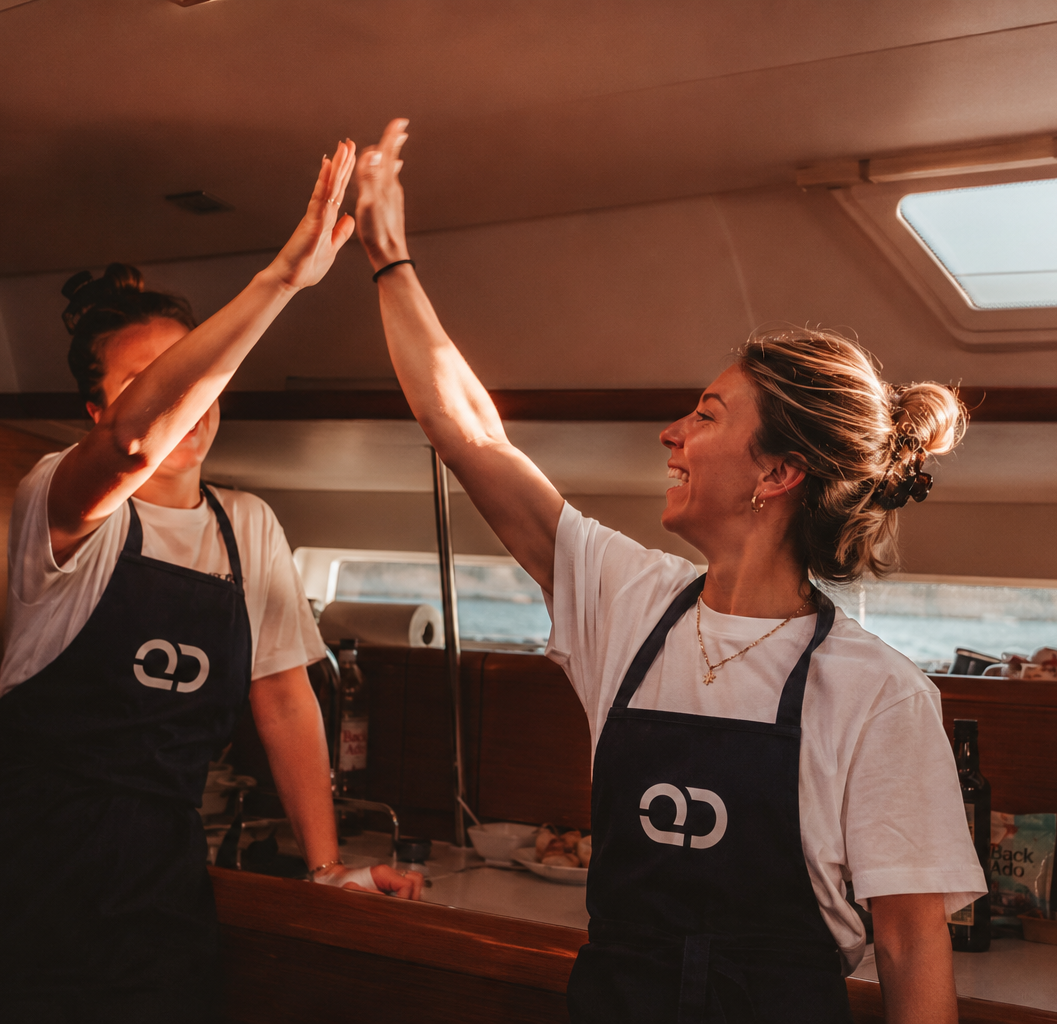
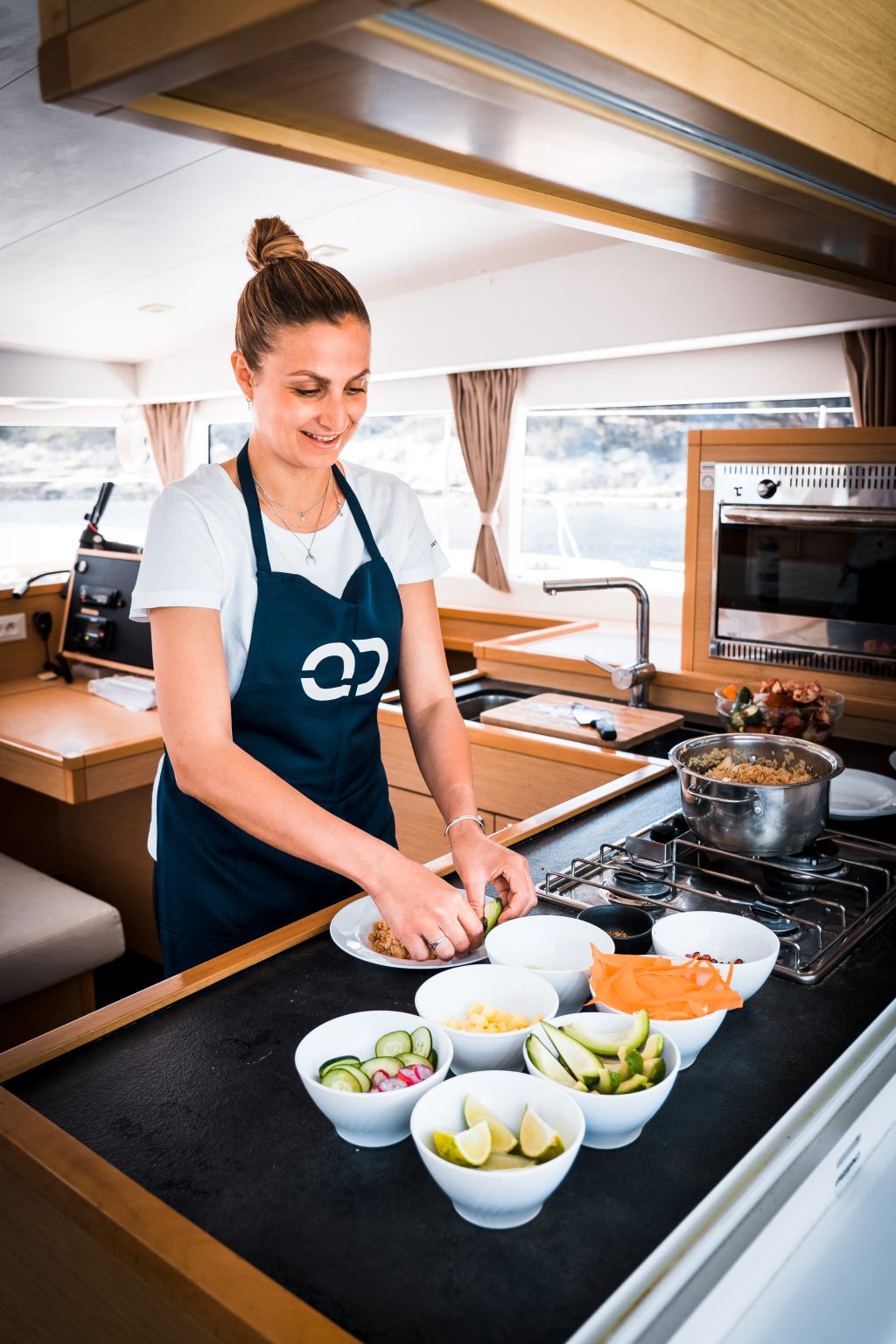
The fastest route to building the practical foundation needed for chalet chef work is structured hands-on training. Quarterdeck’s training programmes are yacht-based but cover exactly the skills that chalet hospitality demands: independent cooking for small private groups across multiple daily services, provisioning, dietary management, presentation and guest interaction.
Many Quarterdeck-trained hosts and chefs go on to work in chalets, private villas and other land-based hospitality roles. The network and the training are directly applicable.
Start with Galley Academy to build your cooking foundation, then progress into Host Academy for professional hospitality training.
If You Have Qualifications But Need More Professional Experience
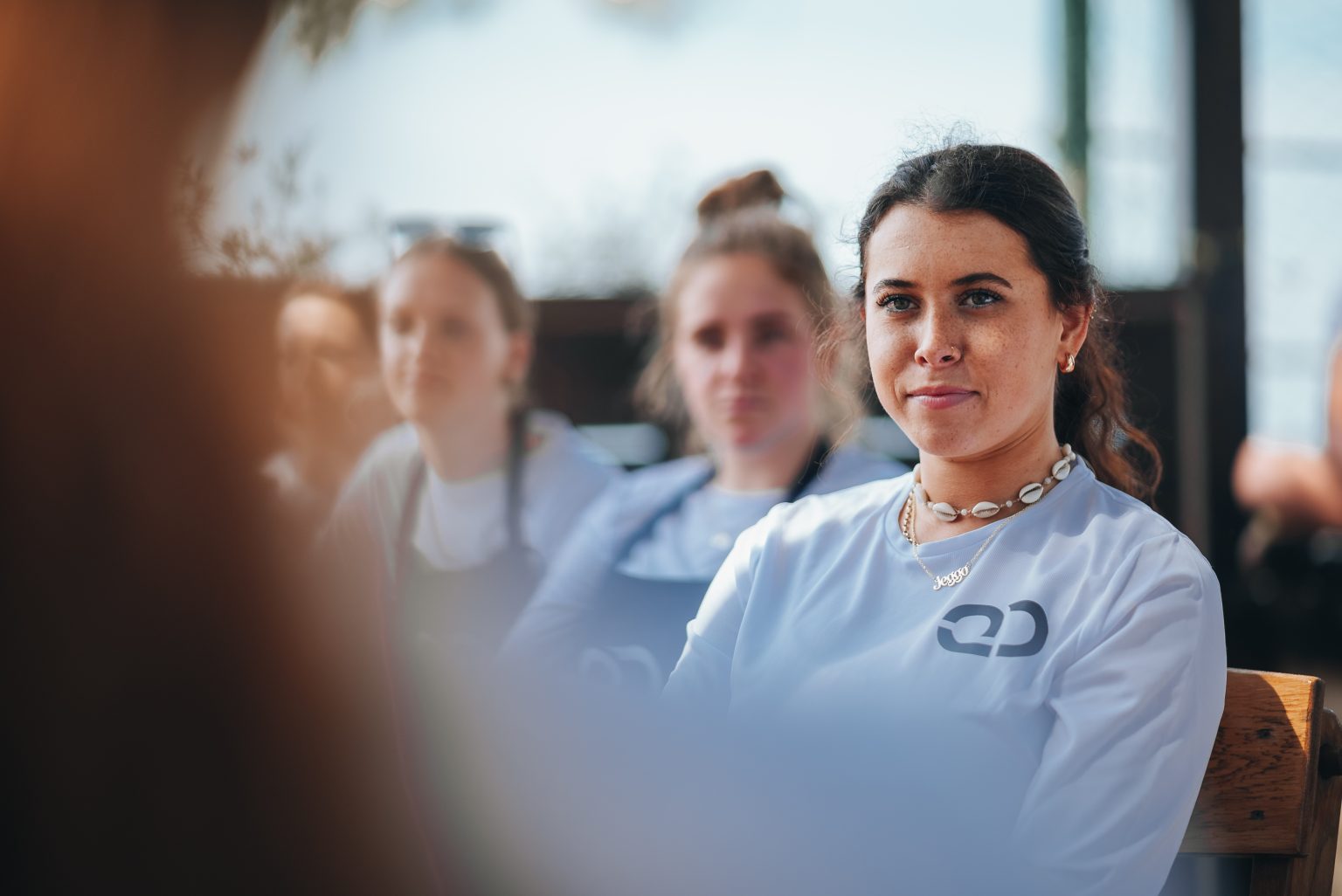
Host Academy is the most direct route to building the professional standard required for catered chalet work. The course runs on charter yachts but covers the full hospitality skillset: multi-service daily cooking, guest management, dietary accommodation, presentation and composure under pressure. The training is directly applicable to chalet environments, and many Quarterdeck team members work across both yachts and chalets.
Host Academy is the next step. The training takes place on yachts but is directly applicable to chalet chef roles.
If You Are Already Qualified and Experienced
If you have professional cooking experience and are ready to be placed, the most practical next step is registering your profile on the Quarterdeck staff marketplace. Once verified, your profile becomes visible to operators and clients looking for experienced hospitality professionals across yachts, chalets, villas and private households.
Register your profile and get listed on the Quarterdeck staff marketplace.
Quality. Delivered. Together
If You Want to Access Higher-End Chalet Placements
For experienced chefs looking to move into premium or ultra-high-net-worth chalet environments, Culinary Academy provides the technical elevation needed to command those roles. The course focuses on private chef standards: refined technique, dietary fluency, trial day preparation and the network to match.
Related Pages
- Private Chef Jobs for those exploring broader private hospitality careers
- Host Academy for professional hospitality training applicable to chalet and yacht roles
- Culinary Academy for experienced chefs targeting premium placements
- Galley Academy for those building a cooking foundation before professional training
- Browse Available Crew to register your profile or find available staff
FAQ
A chalet chef plans and prepares all meals for guests staying in a catered ski chalet: breakfast each morning, afternoon tea, and a two or three course dinner each evening. The role includes menu planning, provisioning, kitchen management, dietary accommodation and guest interaction throughout the week.
Most chalet chefs build their foundation through professional kitchen experience, hospitality training, or structured culinary courses. A food hygiene certificate is expected as a baseline. Practical experience cooking independently for small private groups, whether in restaurants, yachts, villas or previous chalet seasons, is the most valued background.
There is no single mandatory qualification, but a culinary training background, food hygiene certification (Level 2 minimum) and demonstrable experience cooking for groups are expected by most operators. Premium and private chalet roles expect a higher level of both technical skill and professional background.
Earnings vary by operator, experience and property type. Most seasonal packages include wages, accommodation, meals and often a lift pass. Tips are common in premium catered chalets. Private chalet and freelance roles typically pay more than standard agency placements.
Yes, in most cases. Seasonal chalet chef contracts typically include staff accommodation within or near the chalet, along with meals during the season. This substantially increases the effective value of the package compared to a comparable city-based role.
Strong independent cooking ability across breakfast, afternoon tea and dinner service, confident menu planning and dietary management, food hygiene knowledge, and the ability to work autonomously without a kitchen team. Warm, professional guest communication is equally important in catered chalet environments.
A chalet chef works in a ski chalet for one or more weekly guest groups across a fixed alpine season. A private chef works for a household or individual on an ongoing basis across multiple settings. Both require independent cooking for small private groups, and experience in either role is transferable to the other.
Yes. Many chalet chefs enter the role from restaurants, yacht hospitality, catering or other seasonal tourism backgrounds. Operators look for strong cooking ability, hospitality experience and the right attitude toward independent service. Structured training through programmes such as Host Academy or Culinary Academy provides a strong foundation even without prior chalet-specific experience.