

Private Chef Jobs and Careers:
What the Work Actually Involves
Private chef roles are in consistent demand across luxury villas, private estates, and high-end holiday rentals. Whether you’re thinking about your first private household role or making the move from a restaurant or catering background, this page covers what the work actually looks like, what clients expect, what you can realistically earn, and how to get started.
What Does a Private Chef Do?
A private chef cooks exclusively for one household, family, or group of guests. Unlike a restaurant chef, you’re not cooking for a full dining room. You’re managing every part of food service for a specific client: planning menus, provisioning, cooking, and often clearing up, usually on your own.
Day-to-day responsibilities typically include
Menu planning based on guest preferences, dietary requirements, and occasion
Sourcing and provisioning ingredients, often from local markets or specialist suppliers
Preparing and serving meals from breakfast through to dinner, depending on the contract
Managing a kitchen independently: cleaning, stock rotation, and hygiene standards
Adapting to last-minute changes in guest numbers, dietary needs, or schedules
Coordinating with other household staff or estate managers where relevant
The work is genuinely varied. One week might involve a formal dinner for eight. The next, simple family meals for parents and young children. Flexibility is not optional. It’s core to the role.
What Is the Difference Between a Private Chef and a Personal Chef?
The terms are often used interchangeably, but there is a practical difference worth understanding.
Private chef
Employed directly by a household, family, or estate. You work exclusively for one client. This might be a full-time, year-round role or a seasonal contract covering a villa during peak rental periods.
Personal chef
Typically self-employed and working across multiple clients. You may cook batch meals for several households, provide weekly meal prep, or cater private events. More flexibility, but less job security.
This page focuses on private chef employment roles: working within a household, villa, or estate as a contracted chef.
Private Chef, Yacht Chef, Chalet Chef: What's the Difference?
These roles share a lot of DNA but sit in different environments. Understanding the differences helps if you’re deciding which direction suits you.
Private Chef
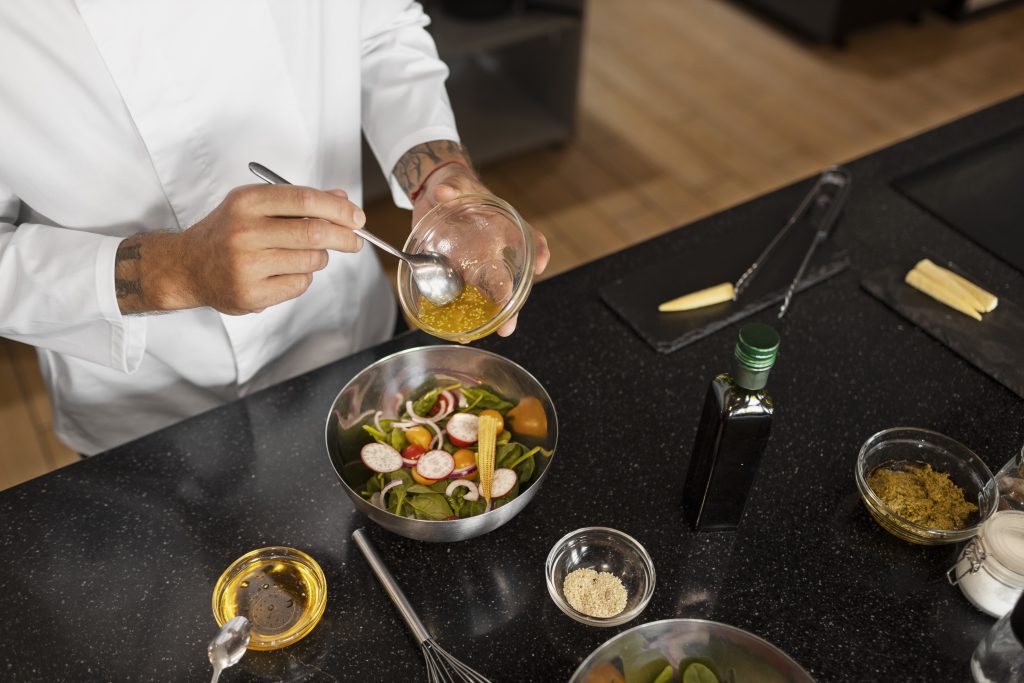
Private household or villa chef: Based on land, in a private home, luxury villa, or estate. Typically more stable, more predictable hours, and a longer-term relationship with one client or property.
Yacht Chef
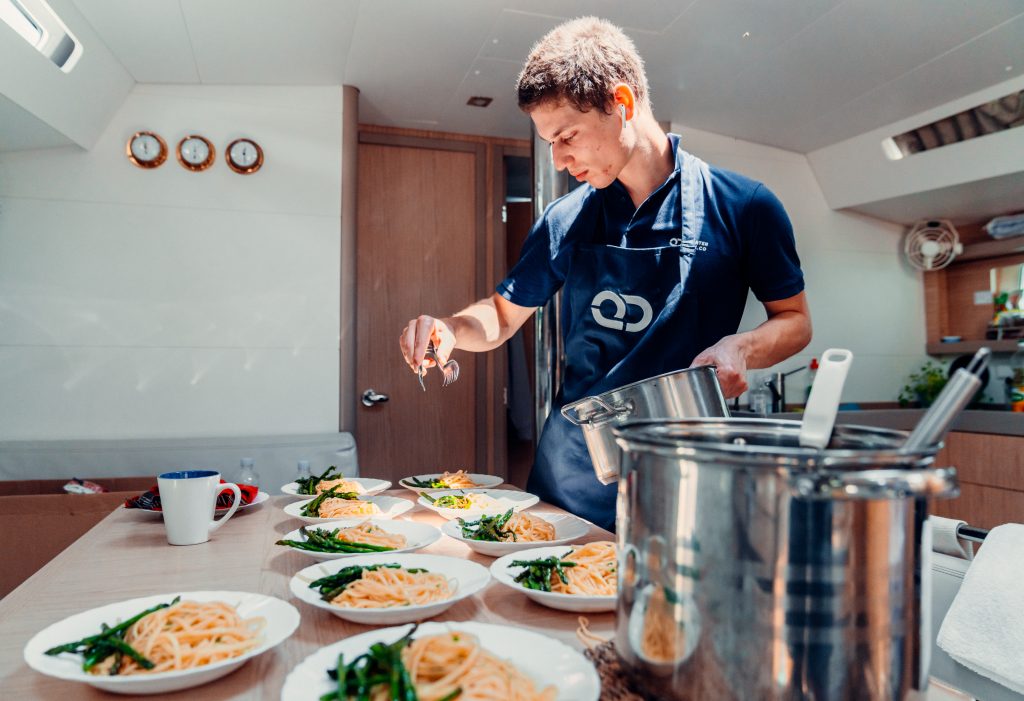
Working on a private or charter yacht. Smaller kitchens, moving environments, and the logistics of provisioning at sea. The skill set transfers well to private household roles. Client service standards are similar.
Chalet chef
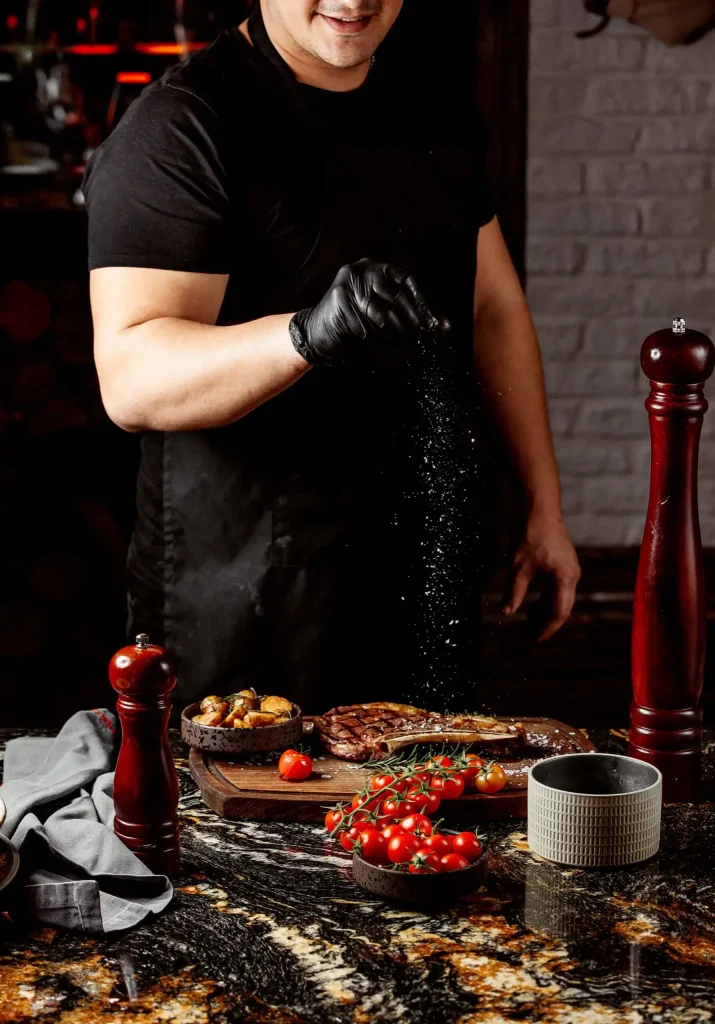
Seasonal work, typically in Alpine ski resorts. You cook for chalet guests across a winter season. The role is full-service covering breakfast, afternoon tea, and dinner, and is a well-established entry point into private hospitality.
Many private chefs have experience across more than one of these environments. Skills are transferable, and clients in private hospitality tend to value broad experience over narrow specialisation.
Who Becomes a Private Chef?
Most private chefs come from professional kitchens. Common backgrounds include:
- Restaurant kitchens, from informal bistros through to fine dining
- Chalet chef seasons in ski resorts
- Catering and event companies
- Yacht crew roles
- Hotel kitchen positions
There’s no single qualifying path. What matters more is your ability to work independently, manage a kitchen without a brigade, adapt quickly, and build a relationship with a client where food is personal, not transactional.
Coming from a high-pressure restaurant background is an asset. But the pace and priorities are different. You’re not running covers. You’re running a household kitchen, often alone, with high expectations around personalisation and consistency.
What Skills Do Private Chefs Need?
The obvious ones: professional cooking ability, strong technique, clean kitchen practice. But the skills that make a private chef work genuinely are often less visible.
- Organisation: Managing provisioning, allergens, dietary requirements, and scheduling without a team behind you
- Communication: Understanding what a client actually wants, not just what they say they want
- Flexibility: Last-minute changes are not exceptions. They're part of the job
- Discretion: Working inside someone's home means respecting their privacy, always
- Plating and presentation: Food needs to look as good as it tastes
- Self-management: There's no head chef above you. You set the standard
Clients in private households, luxury villas, and estates often have high expectations precisely because they’re paying for exclusivity. The ability to deliver consistently, without making that feel like effort, is what separates good private chefs from great ones.
What Are the Working Conditions Like?
Private chef work is genuinely rewarding, but it’s worth being clear about what the conditions actually involve.

Schedules
Hours vary widely. Some roles run fairly predictably with clear days off. Others involve early breakfasts and late dinners, particularly during high season or when guests are in residence. Seasonal contracts involve intensive periods of work followed by time off. Understand the pattern before you accept a role.

Client Expectations
Private clients, particularly those in luxury villas or high-net-worth households, tend to have specific preferences, dietary requirements, and standards around food. Being responsive, professional, and adaptable is what the role requires.

Confidentiality
Most private chef roles involve some level of confidentiality. You may be working in someone’s family home, a prominent individual’s property, or a high-profile rental. Discretion isn’t optional in these environments.

Travel
Some private chef roles involve travel: following a family between properties, or working across a series of overseas villa contracts. This can be one of the appealing parts of the work. It can also be demanding if you’re not prepared for cooking in unfamiliar kitchens and with unknown suppliers.

Independent working
Private chefs almost always work alone or in very small teams. If you’re used to the structure of a brigade kitchen, the shift takes adjustment. Many chefs find it freeing. Some find it isolating. It’s worth being honest with yourself about which camp you fall into.
How Much do Private Chefs Earn?
Private chef salaries vary depending on experience, the type of placement, operation size, and location. As a general rule, chef roles command higher rates than host roles across yachts, villas, and chalet environments, reflecting the additional skill set and responsibility involved.
Typical ranges across Europe
Entry-level or
seasonal roles
€45,000 – €60,000 per year, or equivalent daily and weekly rates for freelance and seasonal contracts
Experienced private chefs
Experienced private chefs in villas, estates, or charter yachts: €60,000 – €110,000+
Senior chefs
Senior chefs working for ultra-high-net-worth families or on large yachts: €120,000 – €200,000+, sometimes significantly more depending on the operation
Within yachting and private villa placements specifically, the range is wide. A chef on a smaller sailing charter yacht sits at a different point in the band than a head chef on a 50m+ superyacht or a principal residence. Operation size, guest count, and the complexity of the food programme all influence where a placement lands.
Seasonal contracts typically include accommodation and meals, which substantially increases the effective value of the package. Tips and end-of-season bonuses are common in luxury charter and private household environments.
Freelance private chefs working event to event can command strong daily rates depending on experience and client profile, but without the stability of a salaried role.
The trade-off is real. Private chef work often pays well, but it comes with intensive working periods, irregular contracts in some cases, and the responsibility of managing your own professional profile between placements.
What Qualifications Do Private Chefs Need?
There are no legal qualifications specifically required to work as a private chef. In practice, most clients and agencies look for:

Professional cookery qualifications (City and Guilds, NVQ, or culinary school training)

Food hygiene certification (Level 2 minimum; Level 3 preferred on senior roles)

A verifiable work history in professional kitchens
References from previous employers or clients
For roles at the higher end, culinary training matters but demonstrable experience matters more. The ability to show that you’ve worked in demanding private environments, managed menus independently, and maintained standards without supervision carries more weight than the name of the college you attended.
How Do You Become a Private Chef?
The route into private chef work is rarely direct. Most people build relevant experience across several environments before landing their first private household role.
Build solid technical skills in a professional kitchen
Take a seasonal role, such as chalet chef or catering, to develop private hospitality experience
Work on client communication and service skills alongside cooking
Build a network. Many private chef roles come through personal recommendation, not job boards
Register with specialist hospitality agencies that place private chef roles
Consider further professional development if you want to access higher-end clients
Starting Out With Qualifications But Limited Experience
If you have culinary training but haven’t worked in private hospitality yet, Quarterdeck’s Galley Academy and Host Academy offer a strong foundation. Training takes place on yachts, but the skills you’ll build, including private client service, provisioning, kitchen management, and hospitality standards, translate directly into villa and household roles. You’ll also join a professional network that includes people already working in private hospitality.
Moving From Professional Kitchens Into Private Hospitality
If you have solid kitchen experience but want practical training in private service, the Host Academy covers exactly that. Many Quarterdeck graduates go on to work in chalets, private villas, and estate roles. The training is yacht-based, but the client-facing and hospitality skills are directly applicable.

Already Experienced? Here's How Quarterdeck Can Help

Register on the Staff Marketplace
Anyone with private hospitality experience can register on the Quarterdeck staff marketplace. Once registered, you select your role (chef, skipper, host, and others) and create your profile. From there, an admin review takes place, including a CV check and short interview, after which your profile is moved to verified status and becomes visible to clients, operators, and agencies looking for private chefs across villa, yacht, estate, and household roles.
Step Up to Private Charter Chef
If you love running a galley and want to elevate your career from flotillas or host roles to private charter cooking, Quarterdeck’s Culinary Academy is your bridge. We polish your culinary techniques to meet the standards of premium private hospitality, turning your passion for food into a high-end professional skillset.
FAQ
A private chef cooks exclusively for one household, family, or group of guests. Responsibilities include menu planning, provisioning, preparing all meals, managing dietary requirements, and maintaining kitchen standards, usually without a supporting team.
A private chef cooks exclusively for one household, family, or group of guests. Responsibilities include menu planning, provisioning, preparing all meals, managing dietary requirements, and maintaining kitchen standards, usually without a supporting team.
Most private chefs build experience in professional kitchens before moving into private service. Taking a seasonal role such as chalet chef, developing client communication skills, and connecting with private hospitality agencies are the most common routes in. Formal culinary training helps, but demonstrable experience matters more.
Salaries range from around €45,000 for entry-level or seasonal positions to €200,000+ for senior chefs working with UHNW clients or on large yachts. Most seasonal roles include accommodation and meals, which substantially increases the effective value of the package. Freelance daily rates vary depending on experience and client profile. Chef roles consistently command higher rates than host roles across yachts, villas, and chalet environments.
Some do. Roles tied to families with multiple properties, luxury villa complexes, or private estates often involve travel. It's worth confirming expectations clearly before accepting any contract.
There are no mandatory qualifications, but most clients and agencies expect professional cookery training, food hygiene certification (Level 2 minimum), and a verifiable work history in professional kitchens. For senior roles, demonstrated experience at an equivalent level carries significant weight.
A private chef works exclusively for one household or estate on a full-time or seasonal contract. A personal chef is typically self-employed, working across multiple clients and providing services such as weekly meal preparation or private event catering.