
Skipper Jobs: Types of Work, Qualifications, and How to Get Hired
Skipper jobs in yachting cover a wide range of roles, from running weekly charter yachts in Croatia and Greece to delivering vessels across oceans or leading flotillas through the Mediterranean. The demand for qualified, professional skippers across sailing holidays, charter operations, and flotilla programmes remains strong throughout the season.
This page covers the main types of skipper work available, what qualifications are required, what the job actually involves, and how to get started, whether you’re already qualified or still building your experience.
Choose Your Next Step
What Is a Skipper Job?
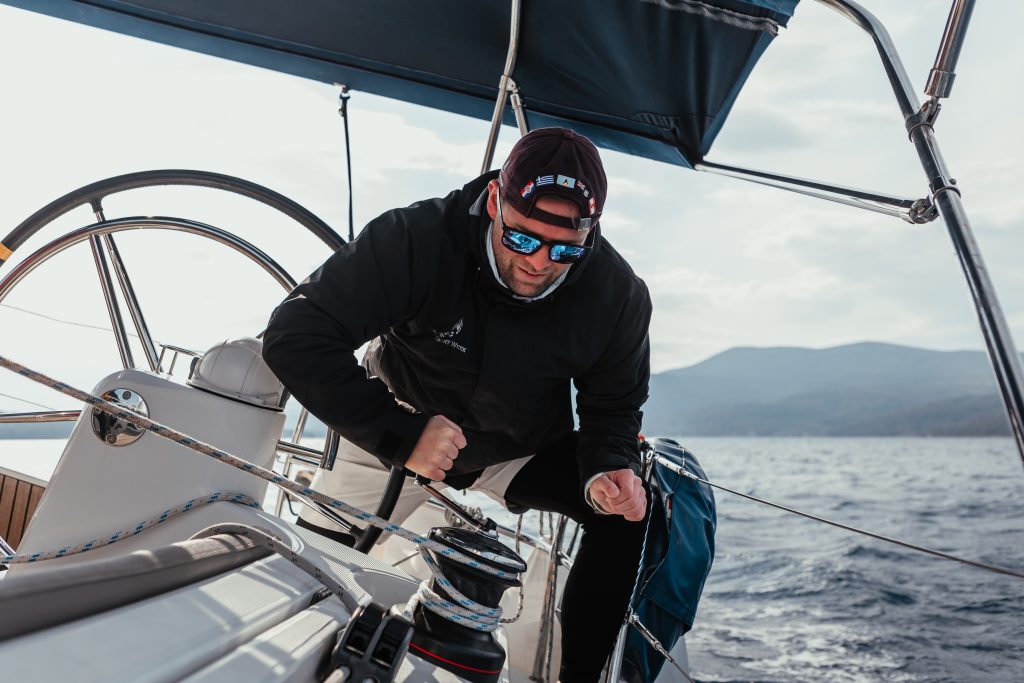
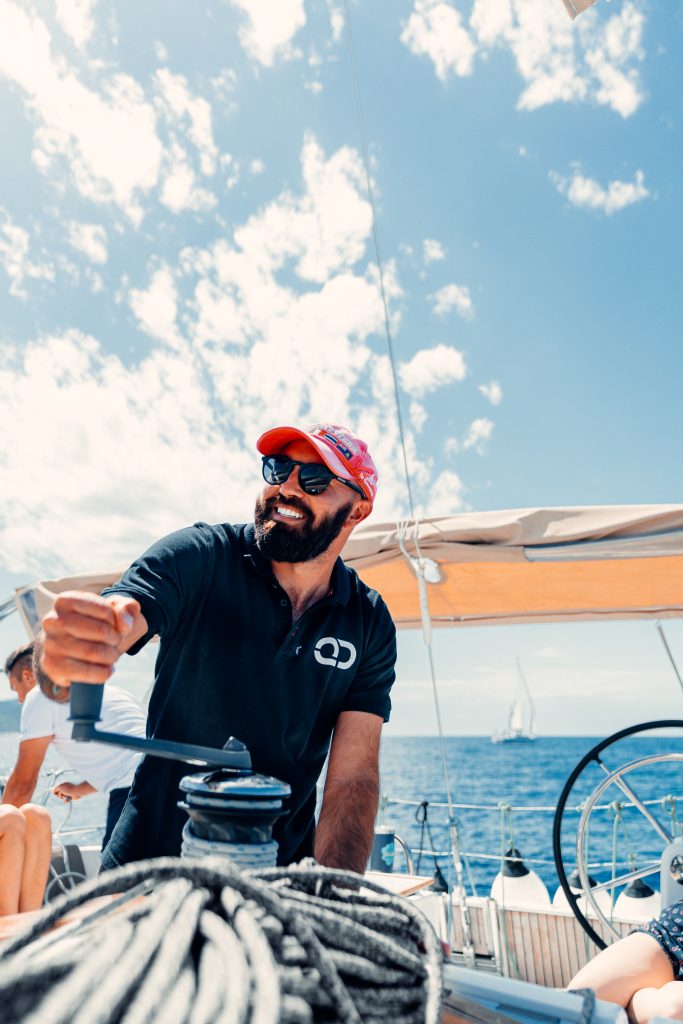
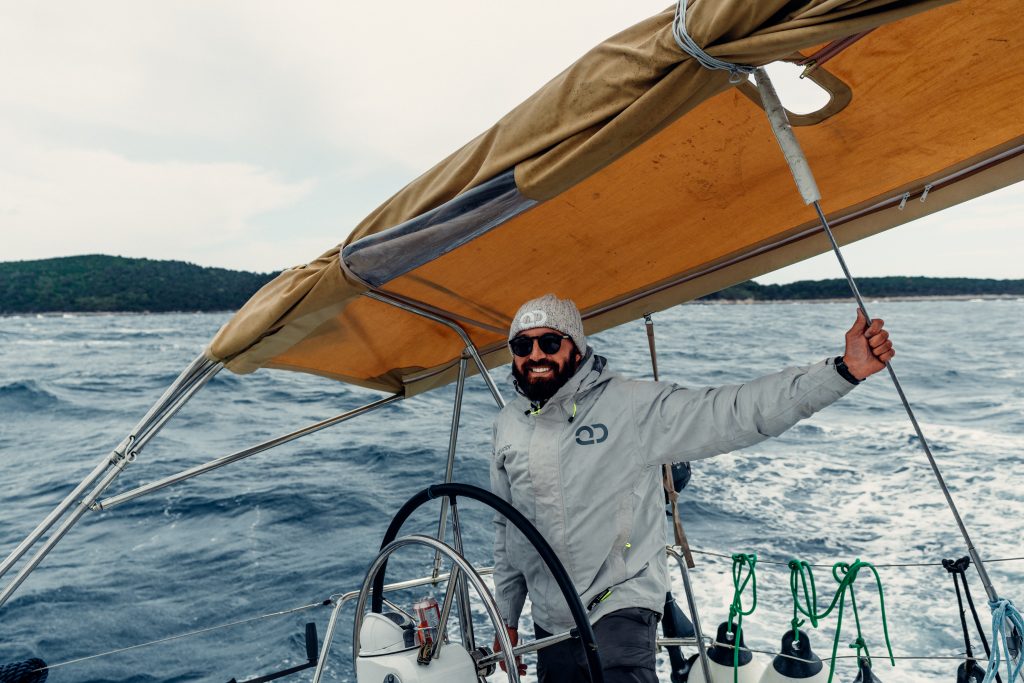
A skipper job is a professional role responsible for the safe operation of a yacht, including navigation, guest safety, docking, passage planning, and crew coordination. In charter and flotilla environments, the skipper is also the primary point of contact for guests onboard.
Skipper jobs range from single-week charter placements to full seasonal contracts, with work concentrated in the Mediterranean from May through October and in the Caribbean and BVI from November through April.
Types of Skipper Jobs
Yacht Skipper Jobs
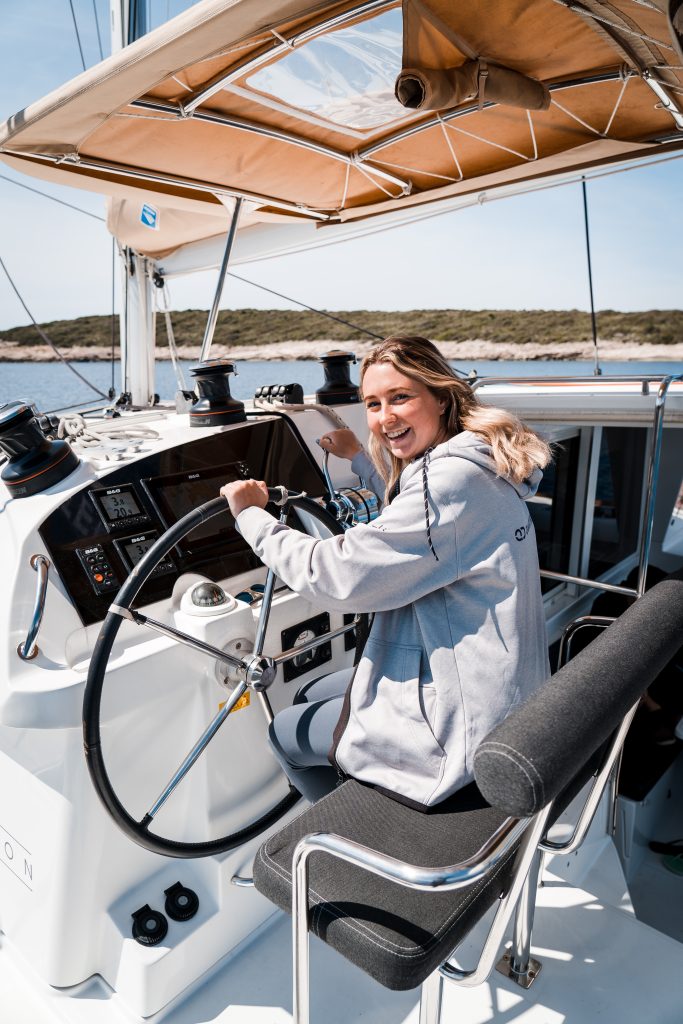
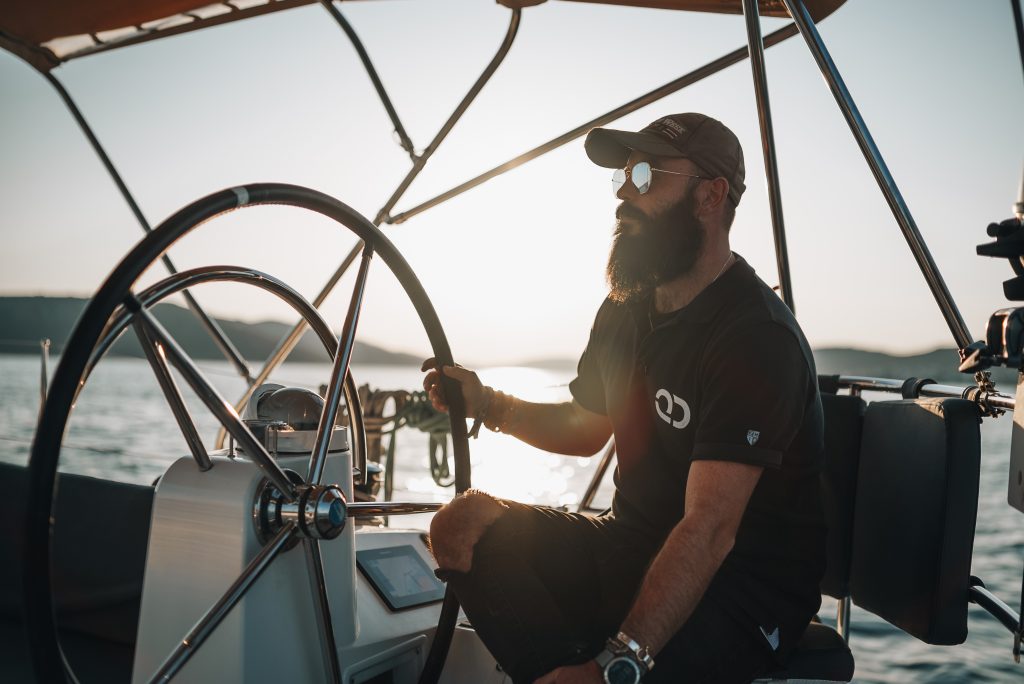
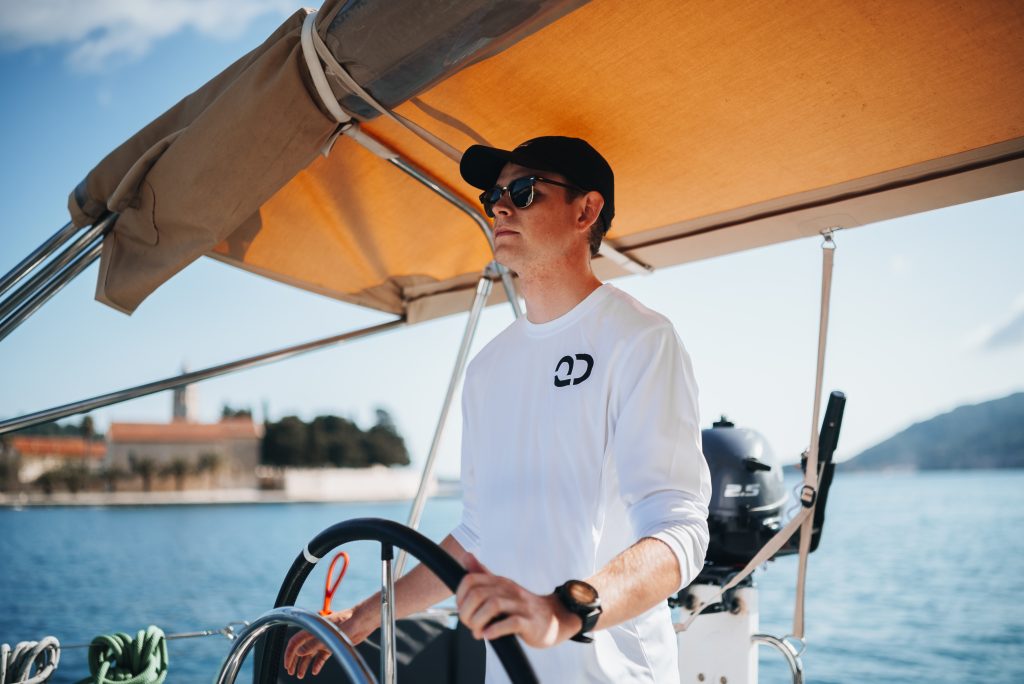
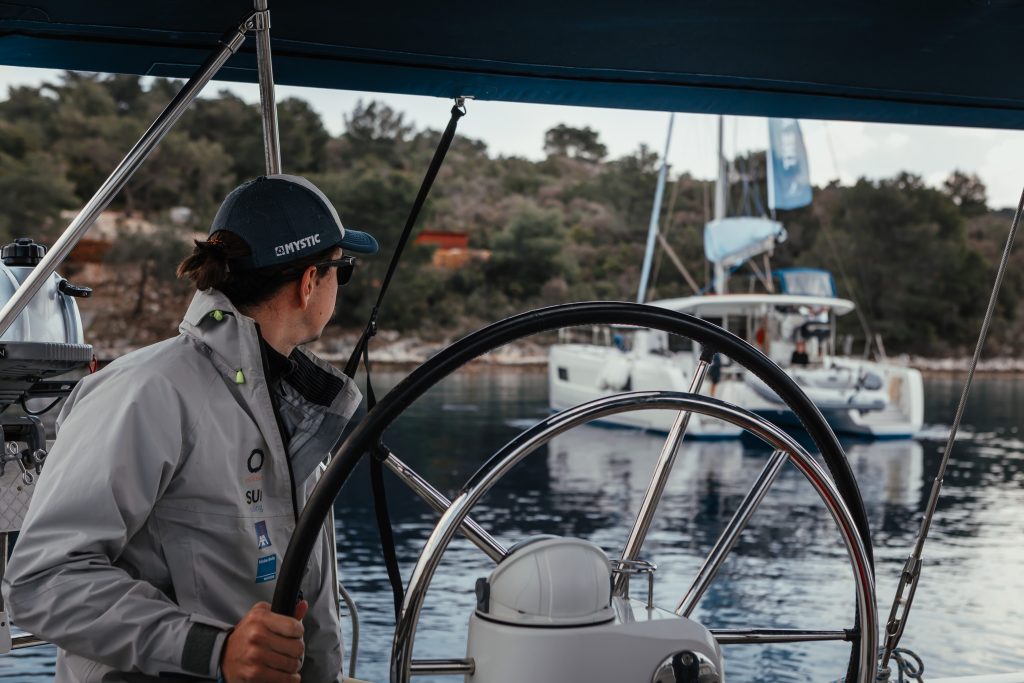
The most common skipper role in charter environments. A yacht skipper operates a single yacht for a group of guests across a charter week, typically on a 40–60ft sailing yacht. Responsibilities include navigation, docking, safety management, and supporting the host with guest experience.
Most charter skippers work back-to-back weeks throughout the Mediterranean season.
Flotilla Skipper Jobs
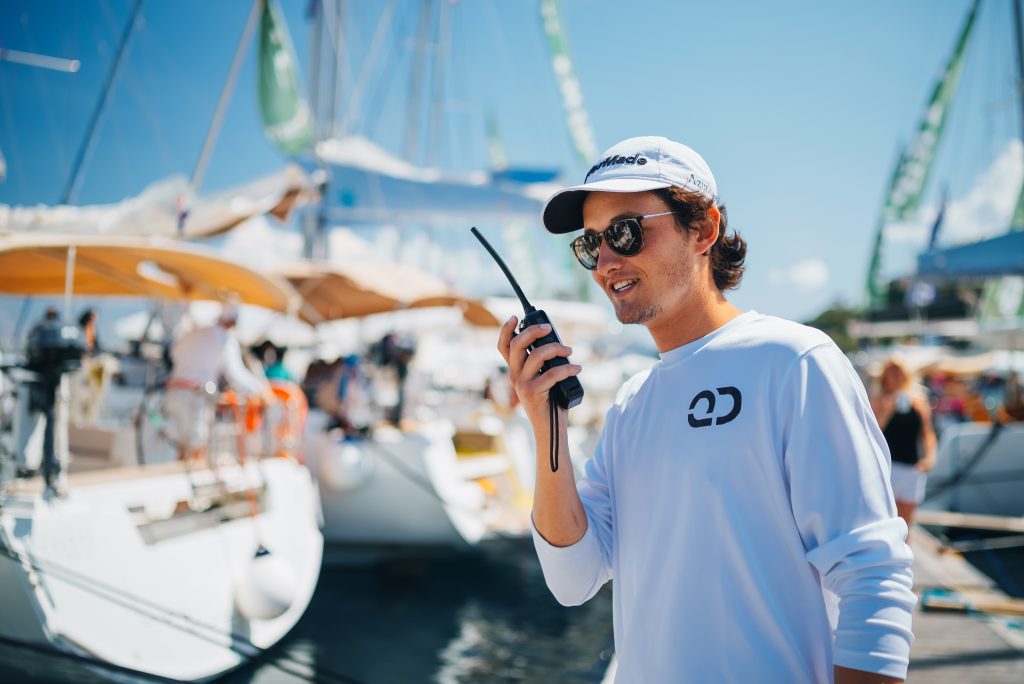
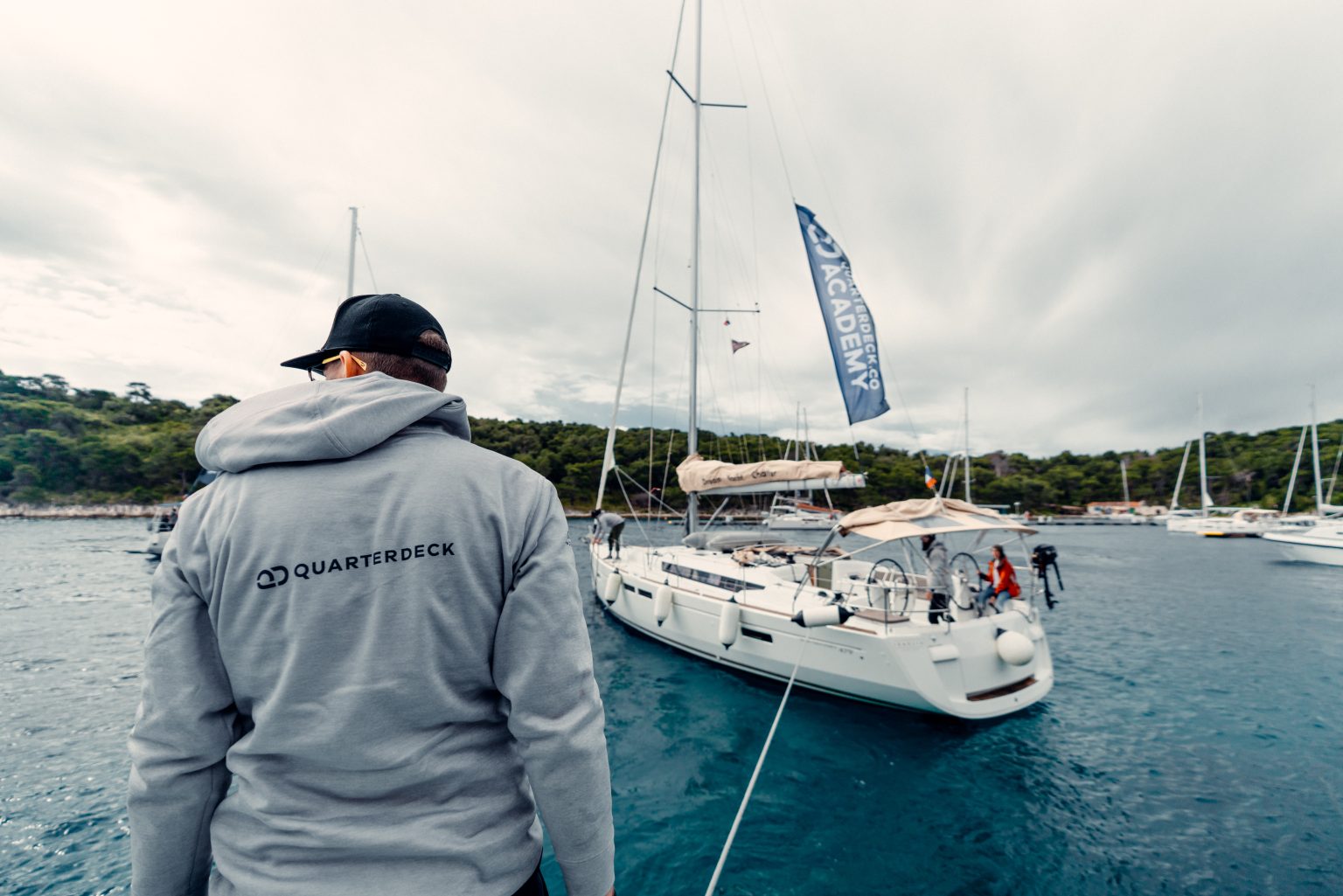
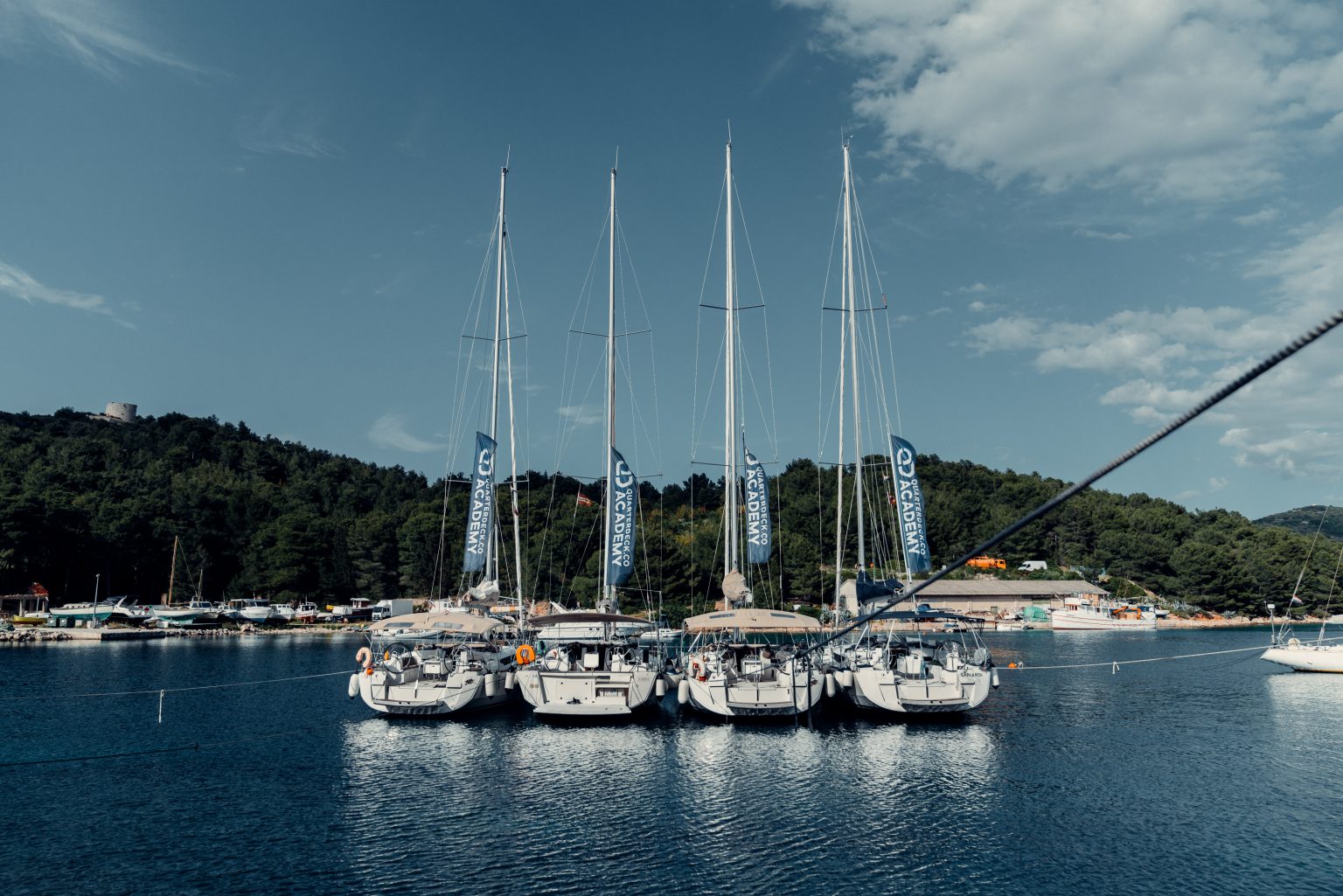
Flotilla skippers lead a fleet of yachts rather than operating a single yacht. The role involves daily briefings, route planning for the whole fleet, supporting individual yachts with navigation or technical issues, and keeping the group together throughout the week.
Flotilla skippers need strong communication skills in addition to sailing competence. This job is as much about people management as it is about seamanship.
Charter Skipper Jobs
Charter skipper roles sit across both bareboat and crewed charter operations. In fully crewed charters, the skipper works alongside a host or chef and is responsible for the sailing side of operations while the hospitality side is managed by the rest of the crew.
Delivery Skipper Jobs
Delivery skippers move yachts from one location to another, often at the start or end of season. These roles are frequently freelance and may involve passages of several days or weeks. Strong offshore experience and passage planning ability are essential.
Freelance Skipper Jobs
Freelance skippers work across multiple operators and vessels throughout the season, picking up placements as they become available. This suits experienced skippers who prefer variety over a fixed contract, though it requires a strong professional network and reliable availability.
Day Skipper Jobs
Entry-level or lower-intensity roles where skippers operate yachts for single-day charters or short coastal trips. Day skipper jobs are a common starting point for newer skippers building their charter experience before moving into full week-long placements.
Coastal Skipper Jobs
Coastal skipper roles involve operating yachts within coastal waters, typically without offshore passages. These roles often appear in flotilla and charter operations where routes stay within well-defined sailing areas.
What Does a Skipper Do?
A professional skipper is responsible for everything that happens on and around the yacht during a charter. The role combines technical sailing ability with guest management and operational responsibility.
Day-to-day responsibilities typically include:
- Pre-departure checks and safety briefings for guests
- Navigation and passage planning for each day's route
- Docking and anchoring in marina and anchorage environments
- Weather monitoring and route adjustments
- Crew coordination and communication with the host or chef
- Managing guest safety throughout the charter
- Handling any technical or mechanical issues onboard
- Completing handover and vessel checks at the end of each charter week
In charter environments, skippers also spend a significant amount of time interacting with guests, answering questions, explaining the boat, adapting plans to suit the group, and maintaining a calm, professional presence throughout the week.
What Qualifications Do You Need for Skipper Jobs?
Most professional skipper jobs in the Mediterranean require a recognised sailing licence, a VHF radio licence, and a valid First Aid certificate.
Preferred Qualification
Quarterdeck’s preferred qualification is the RYA Yachtmaster (Sail) Coastal or Offshore. This is the most widely recognised qualification across charter operations in Croatia, Greece, and the wider Mediterranean.
Accepted National Licences
Depending on your country of origin, the following national licences may be accepted as equivalent:
- Italy: Patente per imbarcazione da diporto
- Germany: Internationales Zertifikat (DSV)
- Poland: Kapitan Jachtowy
- Slovenia: Poveljnik jahte (up to 500 BT)
- Norway: Fritidsbätskippersertifikat / Deck Officer Class 5
- Sweden: Sjöbefäl klass 8
- USA: ASA 106 and ASA 118
- Spain and other EU countries: equivalent national coastal or offshore qualifications
For a full breakdown of accepted licences by country, see the Skipper Requirements page.
Additional Requirements
- Minimum age: 20 years
- Fluent spoken and written English
- Comfortable handling 40–60ft sailing yachts
- Medically fit for sea work
- EU passport beneficial for work in Europe; work permits may be required for non-EU citizens
Experience Requirements and Getting Your First Skipper Job
Qualifications open the door, but charter operators hire on experience and judgement. Most professional placements expect skippers to be comfortable handling 40–60ft yachts in real conditions, including marinas, anchorages, and busy charter areas.
For candidates who are qualified but lack recent practical experience, the typical progression is:
- Sailing Academy builds foundational boat handling, docking, and sailing skills in a structured environment.
- Skipper Academy then takes qualified candidates through real charter scenarios, assessing their readiness for professional placements.
This pathway is specifically designed for sailors who hold a licence but have not yet worked in a professional charter environment.
Got the qualifications but lack experience? Start with Sailing Academy, then Skipper Academy.

How to Improve Your Chances of Getting Hired
Beyond qualifications and sea miles, charter operators look for specific qualities when hiring skippers.

Build documented experience.
Sailing miles matter, but the quality of that experience matters more. Charter environments, racing, and offshore passages are all valued. Keep a logbook.

Work on your docking.
Docking under pressure in tight marinas is where many candidates fall short. Practice in busy environments before applying.

Develop your guest communication skills.
Charter skippers spend as much time managing people as sailing. Operators want skippers who are calm, clear, and professional with guests.

Learn the regions.
Knowledge of Croatian and Greek charter waters (anchorages, marinas, local weather patterns) is a practical advantage when applying for Mediterranean placements.

Language skills help.
English is essential. Additional languages, particularly those common in charter guest demographics, are a genuine advantage.

Network within the industry.
Many skipper placements come through operators and academies that already know the candidate. Skipper Academy directly connects graduates with charter placement opportunities.
Need more professional experience? Skipper Academy is the next step.
Where Are Skipper Jobs Located?
Most sailing charter and flotilla skipper work concentrates in a small number of regions.
Croatia
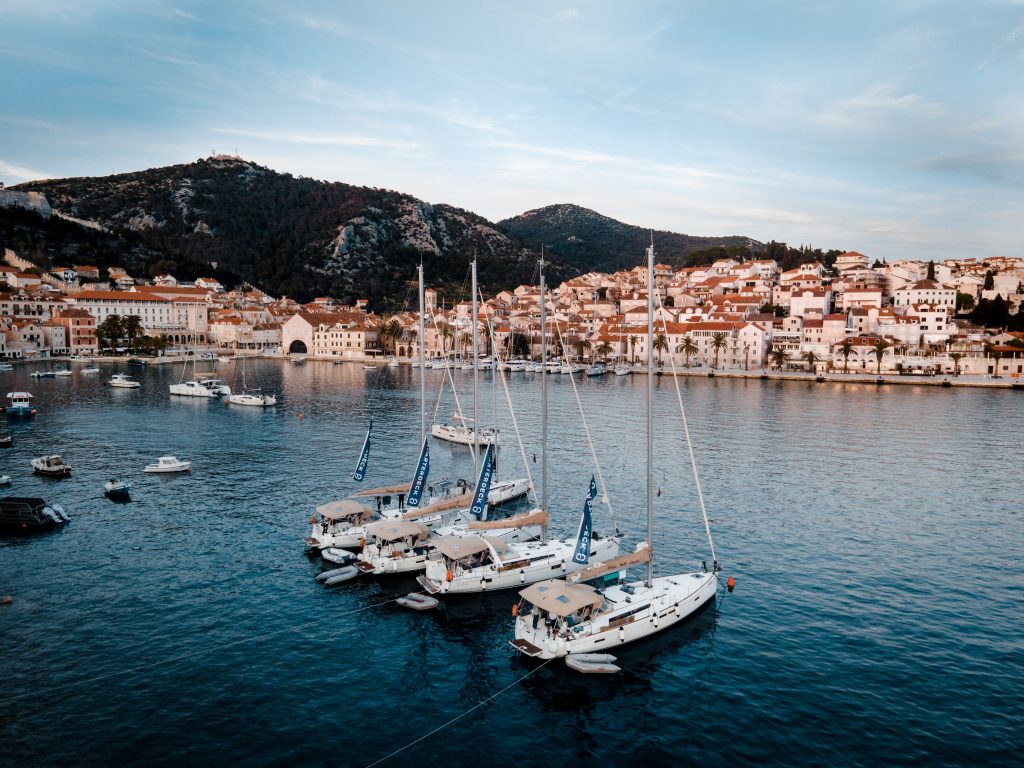
Split, Dubrovnik, Trogir, Šibenik, and Zadar are the main charter bases. The Dalmatian coast runs from late April through October and is one of the most active charter markets in Europe.
Greece
Athens (Flisvos, Alimos, Zea Marina), Lefkada, Corfu, and Kos are the primary departure points. The Greek season runs from May through October.
BVI and Caribbean
The British Virgin Islands and wider Caribbean offer year-round charter work, with peak demand from November through April. BVI is one of Quarterdeck’s active training and placement locations.
Worldwide
Quarterdeck crew placements operate globally, with skippers working across charter environments beyond the Mediterranean and Caribbean.
When Do Charter Companies Hire Skippers?
Mediterranean season recruitment typically begins in late winter, with most operators filling their rosters between January and March for an April or May start. Applications submitted early in the year have the strongest chance of securing a full season placement.
Mid-season vacancies do arise (skippers dropping out or additional boats being added to a fleet) but these are harder to plan around and often go to candidates already known to the operator.
For BVI and Caribbean placements, hiring for the November start usually begins from August onward.
What Are the Working Conditions?
Skipper work in charter environments is demanding. Understanding what the job involves before applying helps set the right expectations.
- Long days during active charter weeks, particularly during turnaround days at the marina
- Back-to-back weekly charters with limited downtime between departures
- Shared or onboard accommodation during the season
- Responsibility for guest safety at all times
- Dealing with weather, mechanical issues, and changing guest expectations under pressure
- Team environments working closely with hosts, chefs, and flotilla staff
The trade-off is real: it is intensive seasonal work, but it combines travel, sailing, and income in a way few other careers do. Many skippers extend their earning season by moving between the Mediterranean summer and the Caribbean winter.
What Can Skippers Earn
Skippers pay in charter environments is structured per charter week or as a seasonal contract, depending on the operator and role type.
Weekly rates vary depending on experience, region, vessel size, and operator. Seasonal contracts in the Mediterranean typically include accommodation and meals during active charter weeks, which substantially reduces living costs.
Tips are standard in charter environments and can add meaningfully to weekly earnings on well-run charters. Delivery work is typically paid per passage or per day at agreed freelance rates.
For specific Quarterdeck skipper placement rates, see the Skipper Pricing page.
Want to Work for Yacht Week?
Yacht Week operates across Croatia, Greece, and other Mediterranean destinations and recruits skippers through structured training and placement programmes. Skipper Academy is the direct entry point for candidates at all experience levels who want to work within Yacht Week operations.
Want to work for Yacht Week? Start with Skipper Academy.
Already Qualified and Experienced?
If you’re already holding a recognised qualification and have professional charter experience, the most practical next step is registering your profile on the Quarterdeck staff marketplace. Once registered and verified, your profile becomes visible to charter operators and fleet managers looking for skippers across the Mediterranean and beyond.
Got the qualifications and experience? Register your profile on the Quarterdeck staff marketplace.
Where Are Skipper Jobs Located?
- Skipper Academy – structured training for aspiring professional skippers
- Skipper Requirements – full breakdown of licences, experience, and eligibility
- Skipper Pricing – placement rates and contract structures
- Sailing Academy – for candidates building foundational sailing skills
- Browse Available Crew – register your profile or browse available crew
- Yacht Host and Chef Jobs – onboard hospitality roles explained
FAQ
What is a skipper job?
A skipper job is a professional role responsible for operating a yacht safely, including navigation, guest safety, docking, passage planning, and crew coordination. In charter and flotilla environments, the skipper is also responsible for guest management throughout the charter week.
What qualifications do I need for skipper jobs?
Most charter operations require a recognised sailing licence (RYA Yachtmaster Coastal or Offshore is preferred), a VHF radio licence, and a valid First Aid certificate. National equivalents from EU and other countries may be accepted depending on the operator and region.
Can beginners get skipper jobs?
Not directly. Professional skipper roles require demonstrated competence with 40–60ft yachts. Candidates who are qualified but lack charter experience should progress through Sailing Academy and Skipper Academy before applying for placements.
Are skipper jobs seasonal?
Yes. Most Mediterranean skipper work runs from April or May through September or October. Many skippers extend their working year by moving into Caribbean or BVI placements from November onward.
Where are most yacht skipper jobs located?
The majority of charter skipper work is concentrated in Croatia, Greece, and the wider Mediterranean during summer, and in the BVI and Caribbean during winter. Quarterdeck also places skippers in other regions worldwide.
How do I get my first skipper job?
The most structured route is completing Skipper Academy, which is designed to take qualified sailors through real charter scenarios and connect them with placement opportunities. Operators hiring first-season skippers look for candidates who have completed recognised training in charter-specific environments.
How much do skippers earn?
Pay varies depending on experience, region, vessel size, and operator. Seasonal contracts typically include accommodation and meals. Tips are standard in charter environments. For current placement rates, see the Skipper Pricing page.