
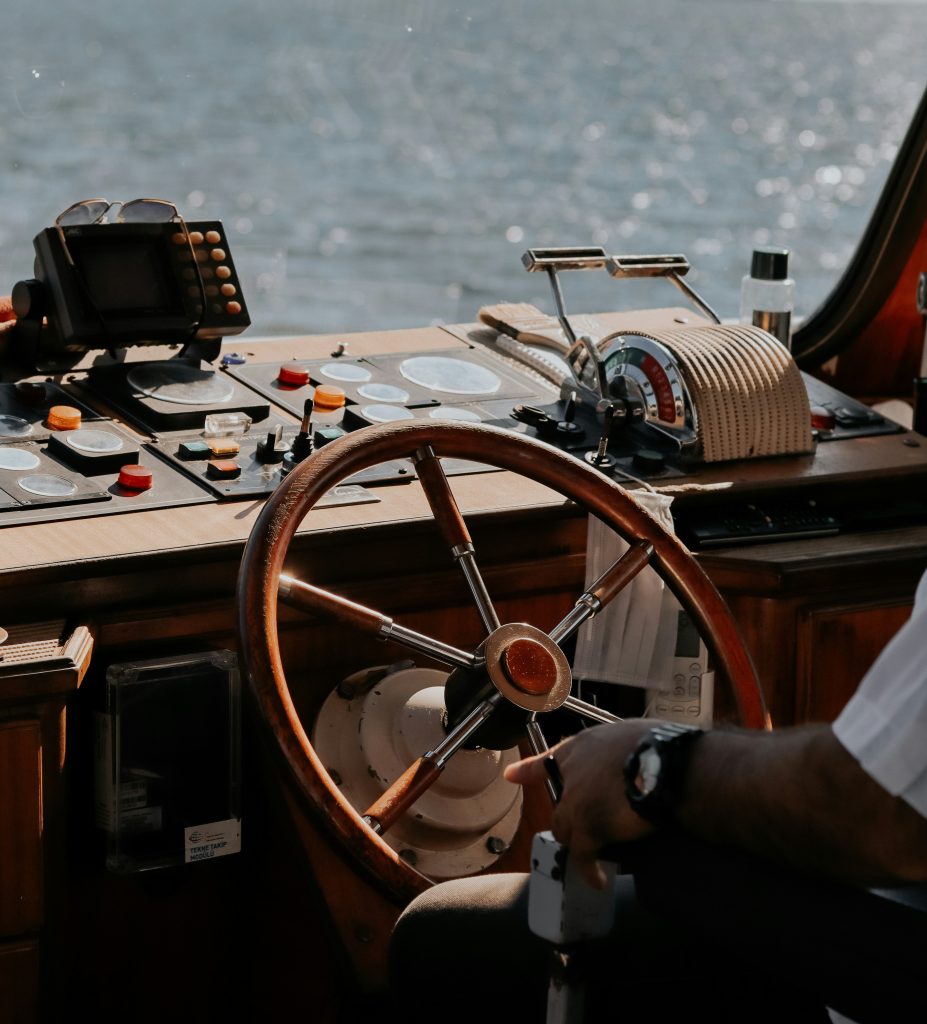
Captain Jobs: Yacht, Sailboat and Charter Captain Work Explained
Captain jobs in the sailing and charter industry cover a wide range of roles, from running weekly charter yachts in Croatia and Greece to delivering vessels across oceans, leading flotillas through the Mediterranean, or skippering private sailing yachts in the Caribbean. Demand for qualified, professional captains across sailing holidays, charter operations and flotilla programmes remains strong throughout the season.
This page covers the main types of captain work available, what qualifications are required, what the job actually involves, where the work is, and how to get started, whether you are already qualified or still building toward your first paid role.
What Are Captain Jobs?
A captain’s job is a professional role responsible for the safe operation of a vessel: navigation, guest safety, docking, passage planning, and crew coordination. In charter and flotilla environments, the captain is also the primary point of contact for guests onboard and carries responsibility for the overall quality of the charter experience.
Captain jobs in the sailing industry range from single-week charter placements to full seasonal contracts, with work concentrated in the Mediterranean from May through October and in the Caribbean and other regions from November through April.
The terms captain, skipper and charter captain are often used interchangeably in the sailing industry. On smaller sailing yachts and flotilla operations, “skipper” is the standard term. On larger yachts or commercial operations, “captain” is more common. The responsibilities are broadly the same: safe vessel operation, guest management and professional conduct throughout.
What Captain Jobs Actually Involve
The captain role combines technical sailing ability with guest management and full operational responsibility. It is not a single-skill job.
Day-to-day responsibilities on a charter sailing yacht typically include
Pre-departure checks and safety briefings for guests
Navigation and passage planning for each day’s route
Docking and anchoring in marina and anchorage environments
Weather monitoring and route adjustments
Crew coordination and communication with the host or chef
Managing guest safety throughout the charter
Handling any technical or mechanical issues onboard
Completing handover and vessel checks at the end of each charter week
In charter environments, captains also spend a significant amount of time interacting with guests: answering questions, explaining the boat, adapting plans to suit the group, and maintaining a calm, professional presence throughout the week. The ability to do this well is as important as sailing competence.
Types of Captain Jobs
Yacht Captain Jobs
The most common captain role in charter environments. A yacht captain operates a single sailing yacht for a group of guests across a charter week, typically on a 40-60ft sailing yacht. Responsibilities include navigation, docking, safety management and supporting the host with the guest experience.
Sailboat Captain Jobs
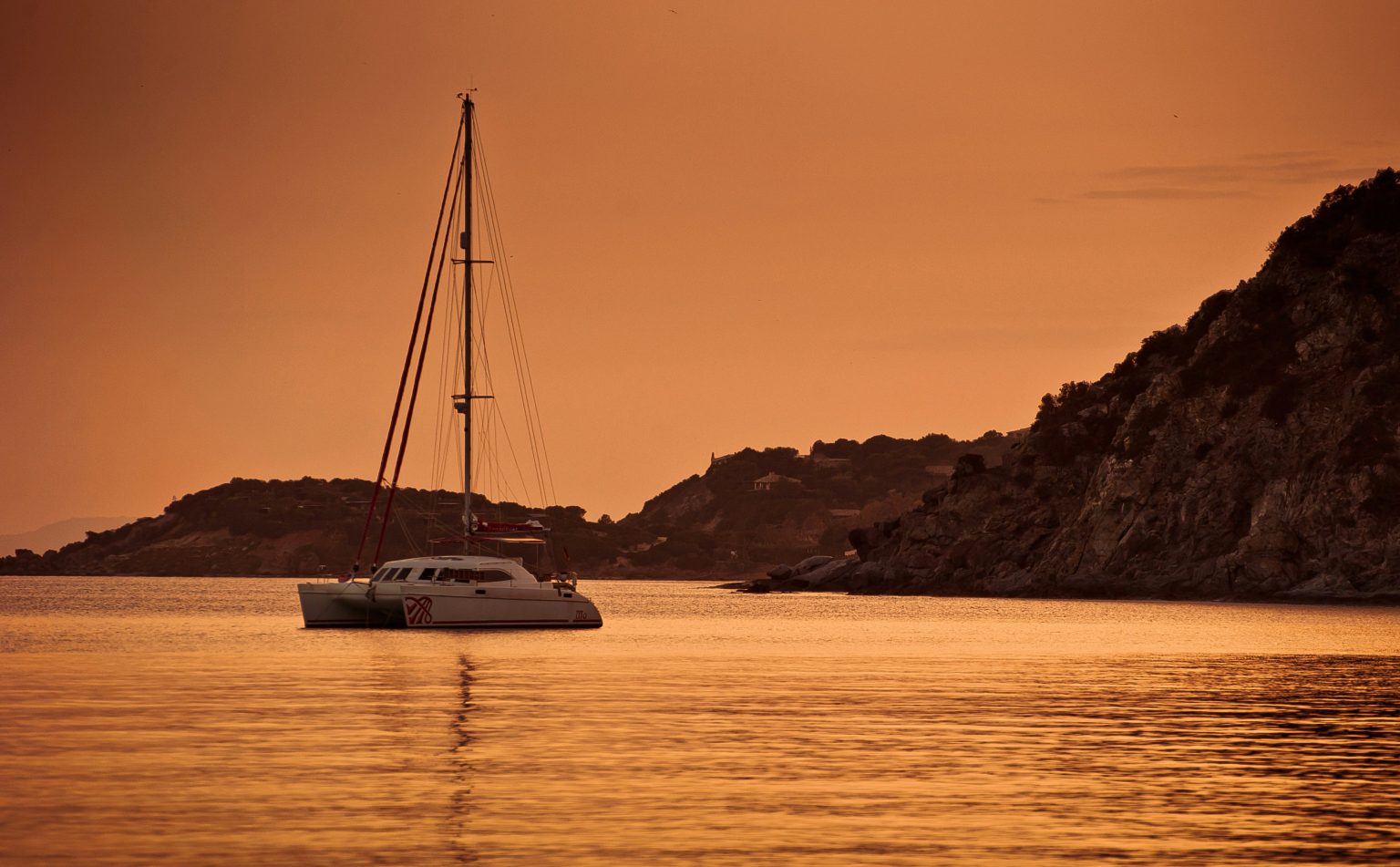
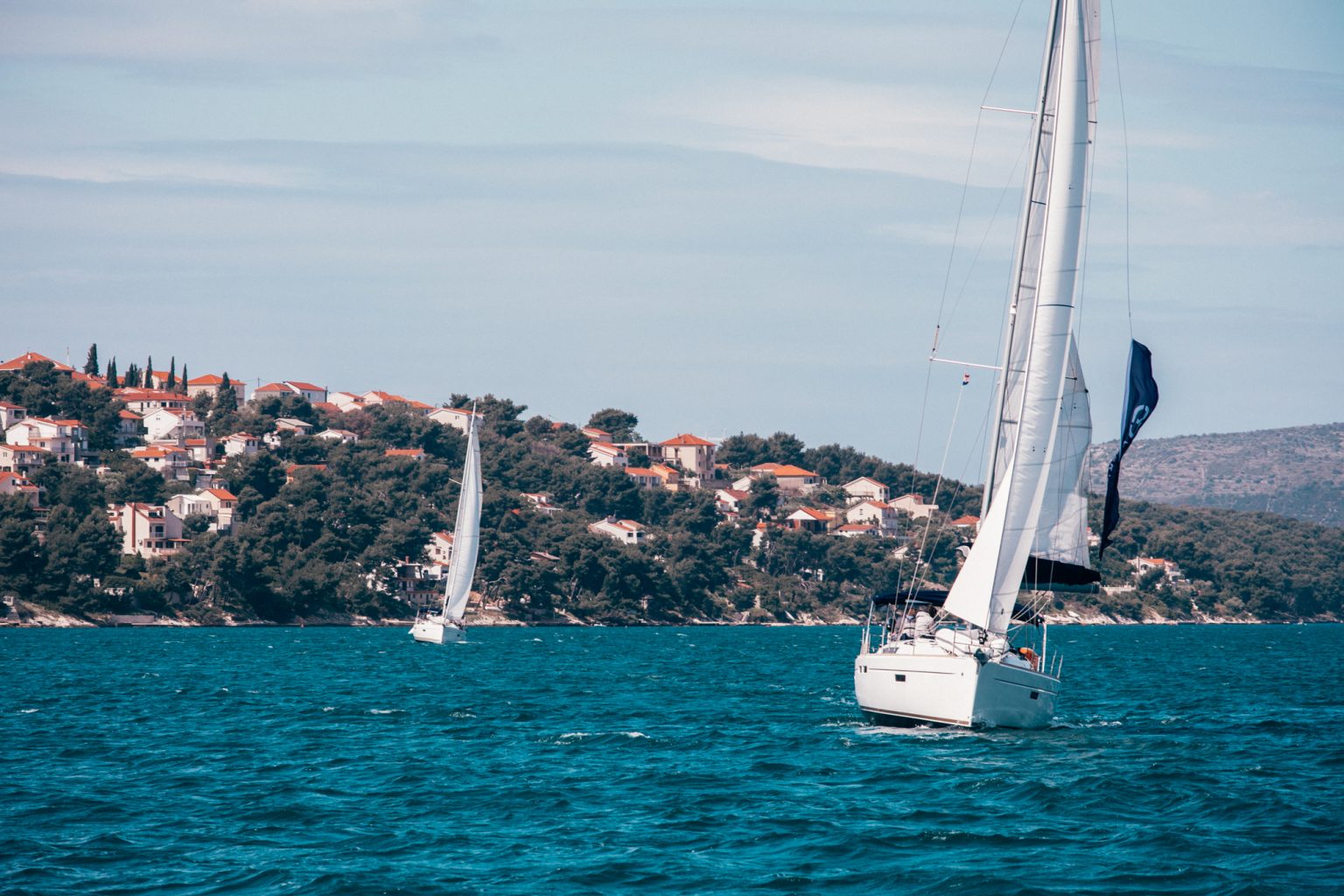
Sailboat captain jobs cover both monohull and catamaran charter operations. Most Mediterranean and Caribbean charter operations are sail-based. The skills required are the same as any yacht captain role, though catamaran handling requires specific experience.
Charter Skipper Jobs
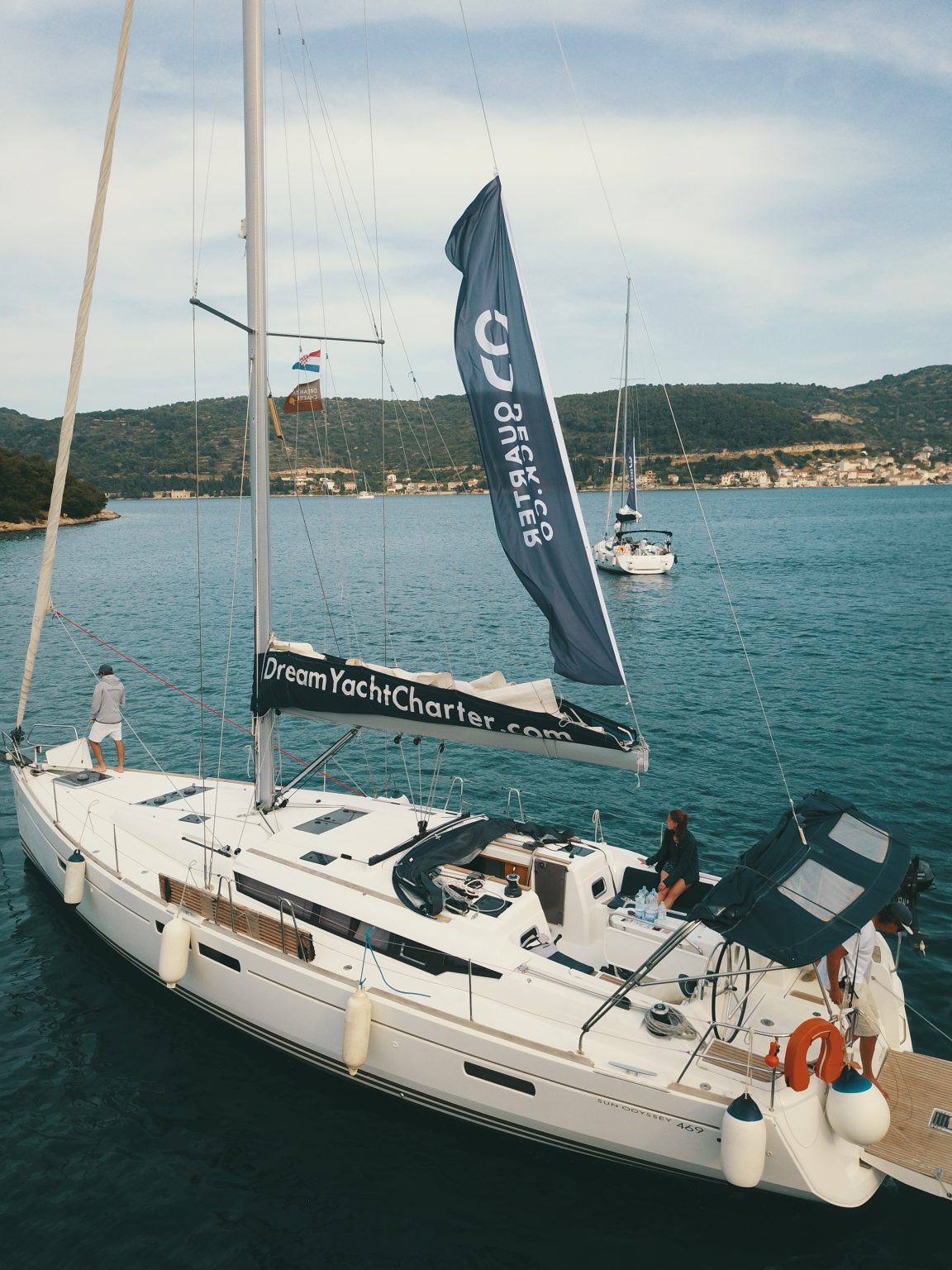
Charter skipper jobs sit across both bareboat and crewed charter operations. In fully crewed charters, the skipper works alongside a host or chef and is responsible for the sailing side of operations while the hospitality side is managed by the rest of the crew.
Flotilla Skipper Jobs
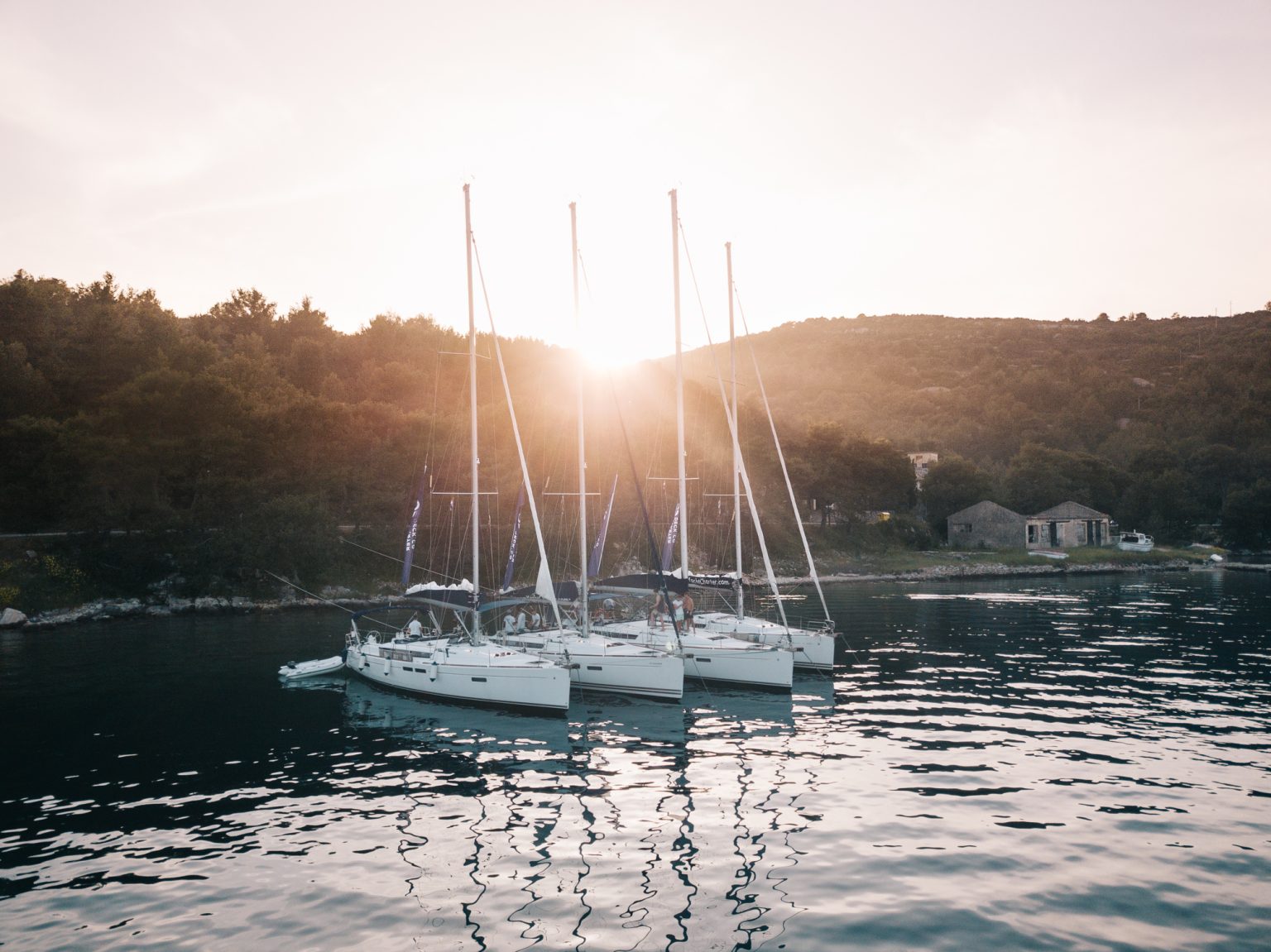
Flotilla skippers lead a fleet of yachts rather than operating a single vessel. The role involves daily briefings, route planning for the whole fleet, supporting individual boats with navigation or technical issues, and keeping the group together throughout the week. Communication and people management are as important as seamanship.
Delivery Captain Jobs
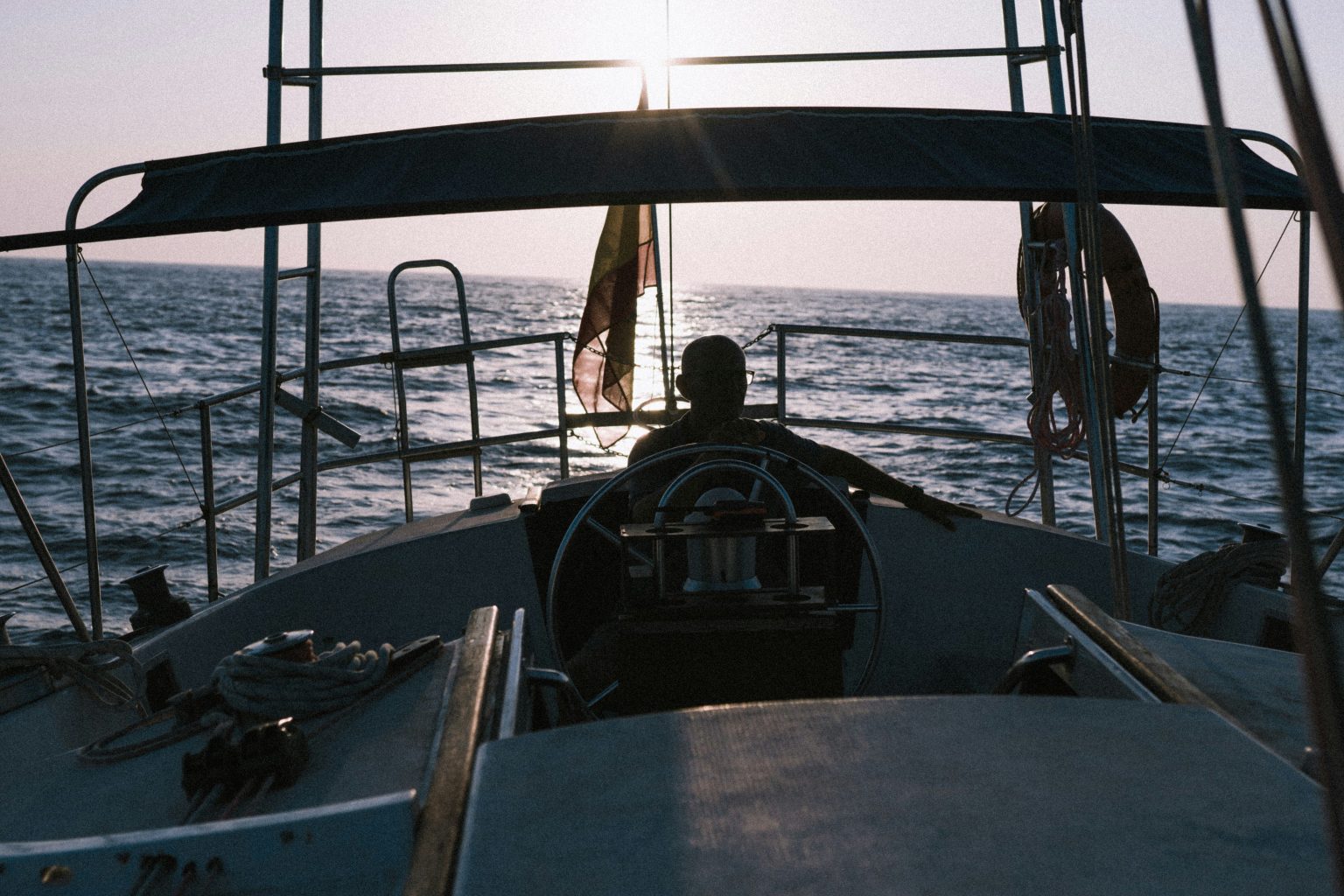
Delivery captains move yachts from one location to another, often at the start or end of season. These roles are frequently freelance and may involve passages of several days or weeks. Strong offshore experience and passage planning ability are essential.
Superyacht Captain Jobs
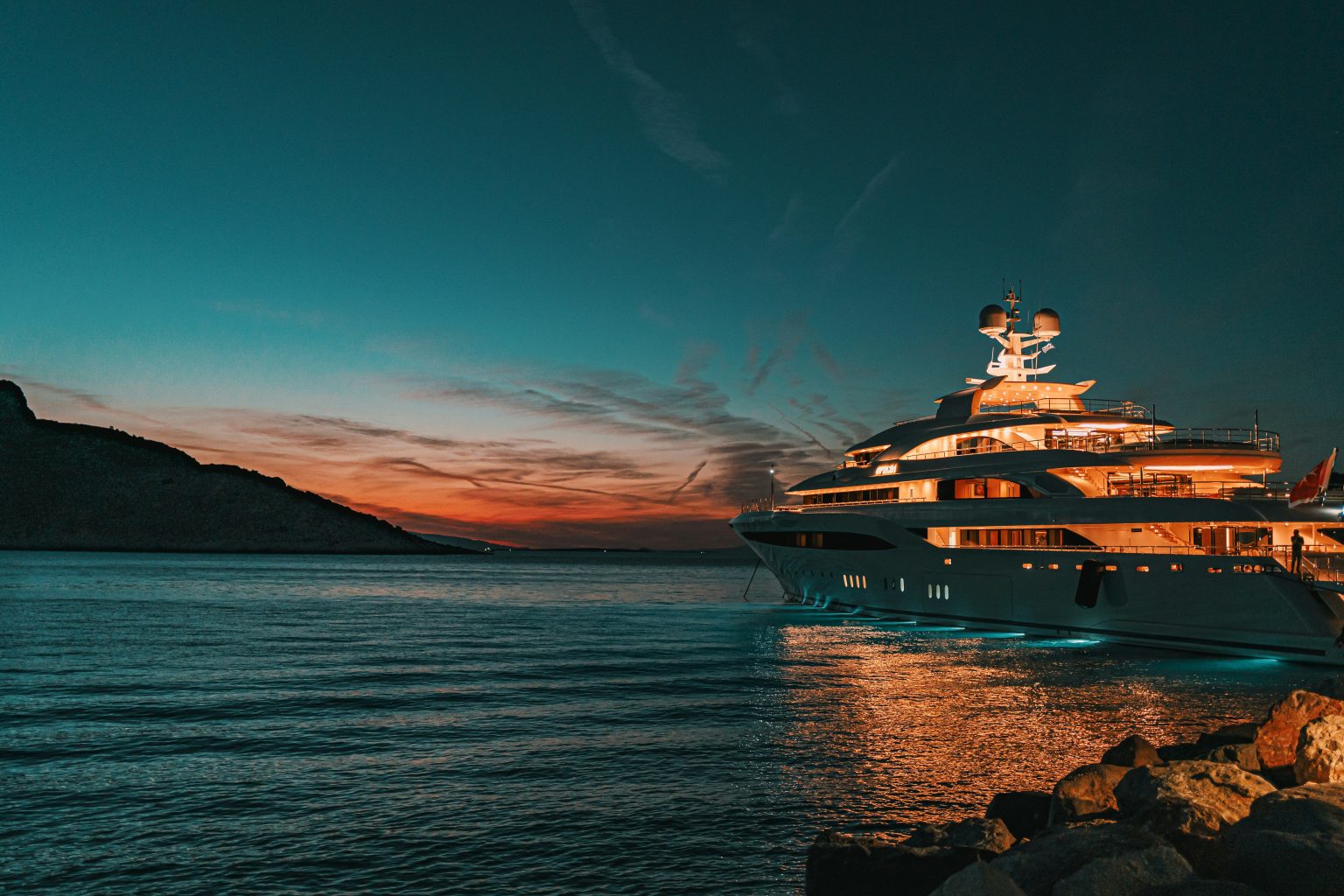
Superyacht captain roles involve larger yachts (typically 24m and above) and require more advanced certification, significant experience, and formal maritime qualifications. The responsibilities are broader, the crew is larger, and the guest expectations are higher. Superyacht captain roles sit at a different level from charter skipper work and typically require a dedicated qualification pathway through MCA or equivalent.
Crew Boat Captain Jobs
Seasonal and Freelance
Captain Jobs
Seasonal captain jobs are the most common entry point for working skippers. Most Mediterranean season contracts run from April or May through to September or October. Many captains extend their earning season by moving into Caribbean or other charter destinations from November onward. Freelance captain jobs offer more variety but require a strong professional network and reliable availability.
Where Captain Jobs Are Located
Most sailing charter and flotilla captain work concentrates in a small number of regions.
Mediterranean
Croatia (Split, Dubrovnik, Trogir, Sibenik), Greece (Athens, Lefkada, Corfu, Kos) and other Adriatic and Aegean destinations make up the majority of European summer charter operations. The season runs from late April through October, with peak demand from June to August.
Caribbean
The British Virgin Islands and wider Caribbean are active year-round charter destinations, with peak demand from November through April.
Florida
Florida is one of the most active charter and private boating markets in the United States. Captain jobs in Florida range from day charter and fishing charter work to delivery and private charter roles, concentrated around Miami, Fort Lauderdale, Tampa and the Florida Keys.
Alaska
Alaska captain jobs focus primarily on commercial fishing, wildlife charters, and expedition-style cruising. The season runs from May through September. These roles typically require US Coast Guard (USCG) licensure.
Qualifications and Certifications
for Captain Jobs
Most professional captain jobs in the sailing industry require a recognised sailing licence, a VHF radio licence and a valid first aid certificate. The specific qualification depends on the region, the vessel type, and whether the operation is commercial or private.
RYA Yachtmaster (Sail)
The RYA Yachtmaster Coastal or Offshore is the most widely recognised qualification across charter operations in Croatia, Greece and the wider Mediterranean. It is Quarterdeck’s preferred qualification for skipper placements.
ICC (International Certificate of Competence)
The ICC is a widely accepted recreational sailing certificate that satisfies legal requirements for operating a charter yacht in most European waters. It is not a commercial qualification but is accepted by many charter operators for crewed yacht placements.
ASA Certifications
The American Sailing Association (ASA) offers a parallel qualification pathway. ASA 106 (Advanced Coastal Cruising) and ASA 118 (Offshore Passagemaking) are accepted as equivalents in some placements.
National Licences
Depending on your country of origin, the following national licences are accepted as equivalents in some charter operations: Italian Patente per imbarcazione da diporto, German DSV Internationales Zertifikat, Polish Kapitan Jachtowy, Slovenian Poveljnik jahte, Norwegian Fritidsbatskippersertifikat and Swedish Sjobefal klass 8.
USCG Licence
(US Captain's Licence)
For captain jobs in the United States, including Florida and Alaska, a US Coast Guard Merchant Mariner Credential (MMC) with the appropriate tonnage and area endorsement is typically required for paid commercial operations.
Commercial Endorsements
For superyacht captain jobs and larger commercial operations, MCA (Maritime and Coastguard Agency) Officer of the Watch (OOW) or Master Mariner qualifications are the standard. These require formal maritime college training and significant sea time.
Additional Requirements
Most charter operations expect captains to hold: a VHF radio operator’s licence (SRC or above), a valid first aid certificate, minimum age of 20, fluent spoken and written English, and to be medically fit for sea work.
Experience Requirements:
What Charter Operators Actually Look For
Qualifications open the door, but charter operators hire on experience and judgement. Most professional placements expect captains to be comfortable handling 40-60ft sailing yachts in real conditions, including marinas, anchorages and busy charter areas.
Beyond the licence, operators look for:
Documented sea miles. Quality of experience matters more than raw numbers. Charter environments, coastal passages and offshore experience are all valued. Keep a logbook.
Docking ability under pressure. Docking in tight marinas is where many candidates fall short. Confidence in real conditions is essential before applying for paid work.
Guest communication skills. Charter captains spend as much time managing people as sailing. Calm, clear, professional communication with guests is non-negotiable.
Regional knowledge. Familiarity with Croatian and Greek charter waters, anchorages, marinas and local weather patterns is a practical advantage when applying for Mediterranean placements.
Language skills. English is essential. Additional languages are a genuine advantage.
Teamwork with hosts and crew. On crewed charters, the captain works closely with a host or chef throughout the week. The ability to collaborate and communicate across roles directly affects guest satisfaction.
Working Conditions:
What Captain Jobs Are Really Like
Captain work in charter environments is demanding. Understanding the reality before applying helps set the right expectations.
Typical working conditions include
Long days during active charter weeks, particularly during turnaround days at the marina
Back-to-back weekly charters with limited downtime between departures
Shared or onboard accommodation during the season
Responsibility for guest safety at all times, throughout every leg of the charter
Dealing with weather, mechanical issues and changing guest expectations under pressure
Close working relationships with hosts, chefs and flotilla staff in small team environments
The seasonal nature of sailing charter work means many captains extend their earning season by moving between the Mediterranean summer and the Caribbean or other winter destinations, working most of the year across combined seasons.
What Captain Jobs Pay
Captain pay in charter environments varies depending on experience, region, vessel size and operator.
Weekly rates vary depending on experience and placement type. Seasonal contracts in the Mediterranean typically include accommodation and meals during active charter weeks, which substantially reduces living costs during the season.
Tips are standard in charter environments and can add meaningfully to weekly earnings on well-run charters with satisfied guests. Delivery work is typically paid per passage or per day at agreed freelance rates.
Superyacht captain salaries sit at a significantly higher level than charter skipper rates, reflecting the additional qualifications, crew management responsibilities and vessel complexity involved. These roles are negotiated individually based on vessel size and experience level.
For specific Quarterdeck skipper placement rates, see the Skipper Pricing page.
How to Get Started:
The Captain Career Pathway
For those who are not yet qualified or do not yet have the experience required for paid captain work, the pathway is structured and achievable with the right preparation.
Step 1
Learn to sail. Sailing Academy is the starting point for anyone who wants to learn to handle a sailing yacht.
Step 2
Get certified. Work toward a recognised sailing qualification: RYA Daysailer, Coastal Skipper, and ultimately Yachtmaster Coastal or Offshore.
Step 3
Build sea miles. Log time on the water across different conditions, vessel types and roles.
Step 4
Develop practical handling skills. Docking, anchoring, passage planning and weather reading in real conditions.
Step 5
Complete Skipper Academy. Job-ready training for aspiring professional charter and flotilla skippers, covering real charter scenarios, assessments and direct placement pathways.
How to Get Hired
If You Have Qualifications But Lack Experience
Quarterdeck currently focuses on sailing yacht placements and does not offer power yacht training. If you are working toward captain jobs on sailing yachts, Sailing Academy and Skipper Academy are the structured route in.
Consider Sailing Academy followed by Skipper Academy to build the experience required for sailing yacht placements.
If You Have Qualifications But Need More Professional Experience
Skipper Academy is designed for candidates who hold a qualification but have not yet worked in a professional charter environment. It takes qualified sailors through real charter scenarios and connects graduates with placement opportunities.
Note that Quarterdeck’s current training and placement focus is sailing yachts. If you are pursuing power yacht captain jobs, Skipper Academy covers sailing yacht operations specifically.
Skipper Academy is the next step.
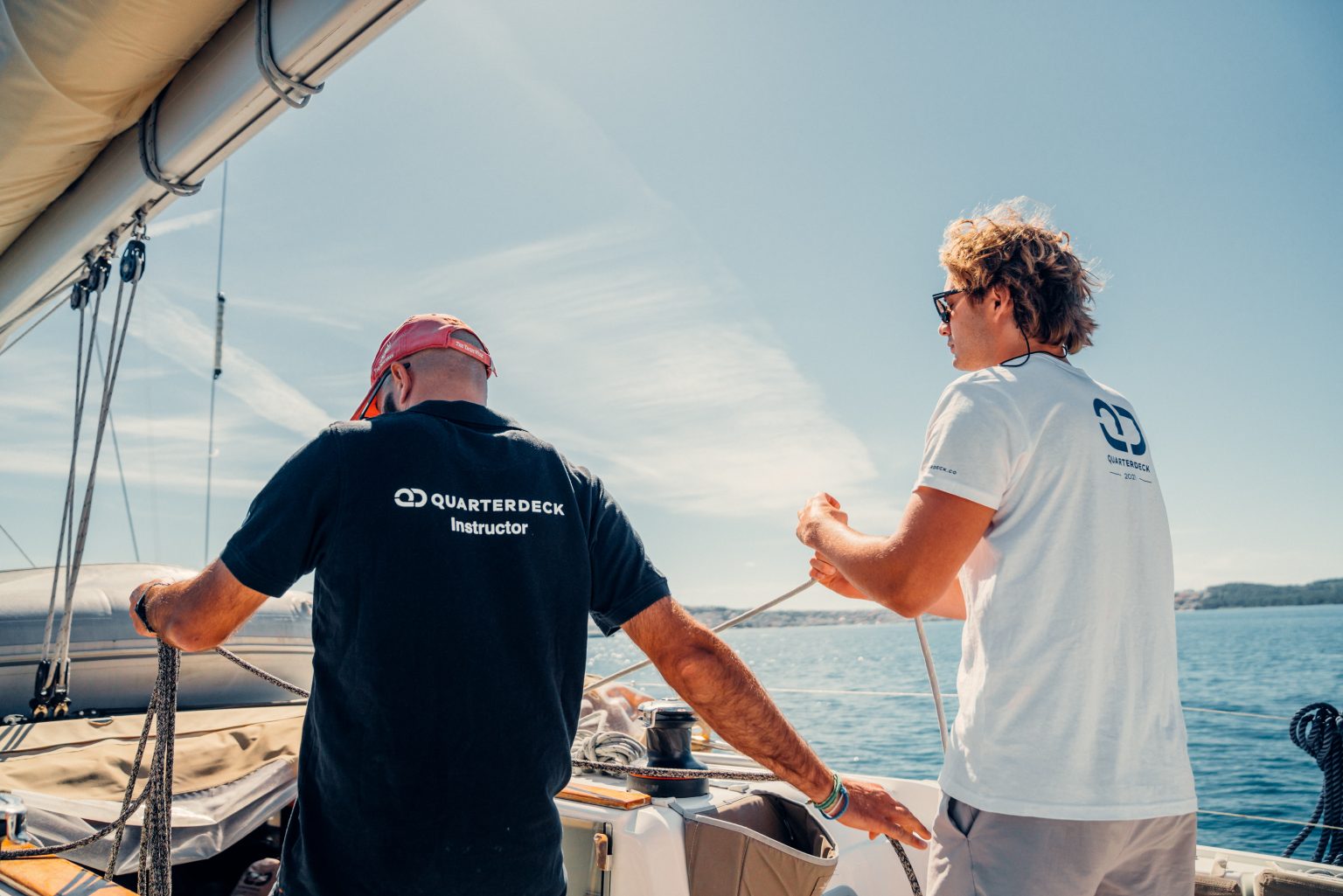
If You Want to Work For Yacht Week
Yacht Week operates across Croatia, Greece and other Mediterranean destinations on sailing yachts and recruits skippers through structured training and placement programmes. Skipper Academy is the direct entry point for candidates at any experience level who want to work within Yacht Week operations.
Want to work for Yacht Week? Skipper Academy is where to start, regardless of your current experience level.
Quality. Delivered. Together
If You Are Already Qualified and Experienced
If you already hold a recognised qualification and have professional charter experience, the most practical next step is registering your profile on the Quarterdeck staff marketplace. Once registered and verified, your profile becomes visible to charter operators and fleet managers looking for skippers across the Mediterranean and beyond.
Got the qualifications and experience? Register your profile and get listed on the Quarterdeck staff marketplace.
Related Pages
- Skipper Academy – structured training for aspiring professional skippers
- Skipper Requirements – full breakdown of licences, experience and eligibility
- Skipper Pricing – placement rates and contract structures
- Sailing Academy – for candidates building foundational sailing skills
- Browse Available Crew – register your profile or browse available crew
- Yacht Host and Chef Jobs – onboard hospitality roles explained
FAQ
Most charter operations require a recognised sailing licence (RYA Yachtmaster Coastal or Offshore is preferred), a VHF radio licence and a valid first aid certificate. US operations typically require a USCG Merchant Mariner Credential. Superyacht roles require MCA certification.
The typical pathway is: learn to sail, obtain a recognised certification (RYA or equivalent), build documented sea miles across real conditions, develop practical docking and passage planning skills, and complete job-ready training such as Skipper Academy before applying for paid charter placements.
It depends on the region and vessel type. In Europe, the RYA Yachtmaster or ICC is widely accepted. In the US, USCG licensure is required for paid commercial operations. Superyacht roles require MCA Officer of the Watch or Master Mariner qualifications.
Earnings vary depending on experience, vessel size, region and contract type. Seasonal charter skipper rates are structured per charter week and typically include accommodation and meals. Tips are standard in charter environments. Superyacht captain salaries sit significantly higher than flotilla or charter skipper rates.
Yes. Croatia and Greece are two of the most active charter markets in Europe. The Mediterranean season runs from late April through October, with peak demand from June to August. Most charter operators fill their rosters between January and March for an April or May start.
Not directly. Professional captain roles require demonstrated competence with 40-60ft yachts in real conditions. Candidates who are not yet qualified should progress through Sailing Academy to build foundational skills, then work toward a recognised certification before applying for paid placements.
In the sailing industry, skipper and captain are broadly interchangeable terms. On smaller charter yachts and flotilla operations, skipper is the standard title. On larger yachts or more formal commercial operations, captain is more common. The core responsibilities are the same: safe yacht operation, guest management and professional conduct.
Superyacht captain roles typically require MCA qualifications at Officer of the Watch or Master Mariner level, significant sea service time, and endorsements for the relevant vessel size and area of operation. These roles sit at a different level from charter skipper or flotilla captain positions and require a formal maritime college pathway.