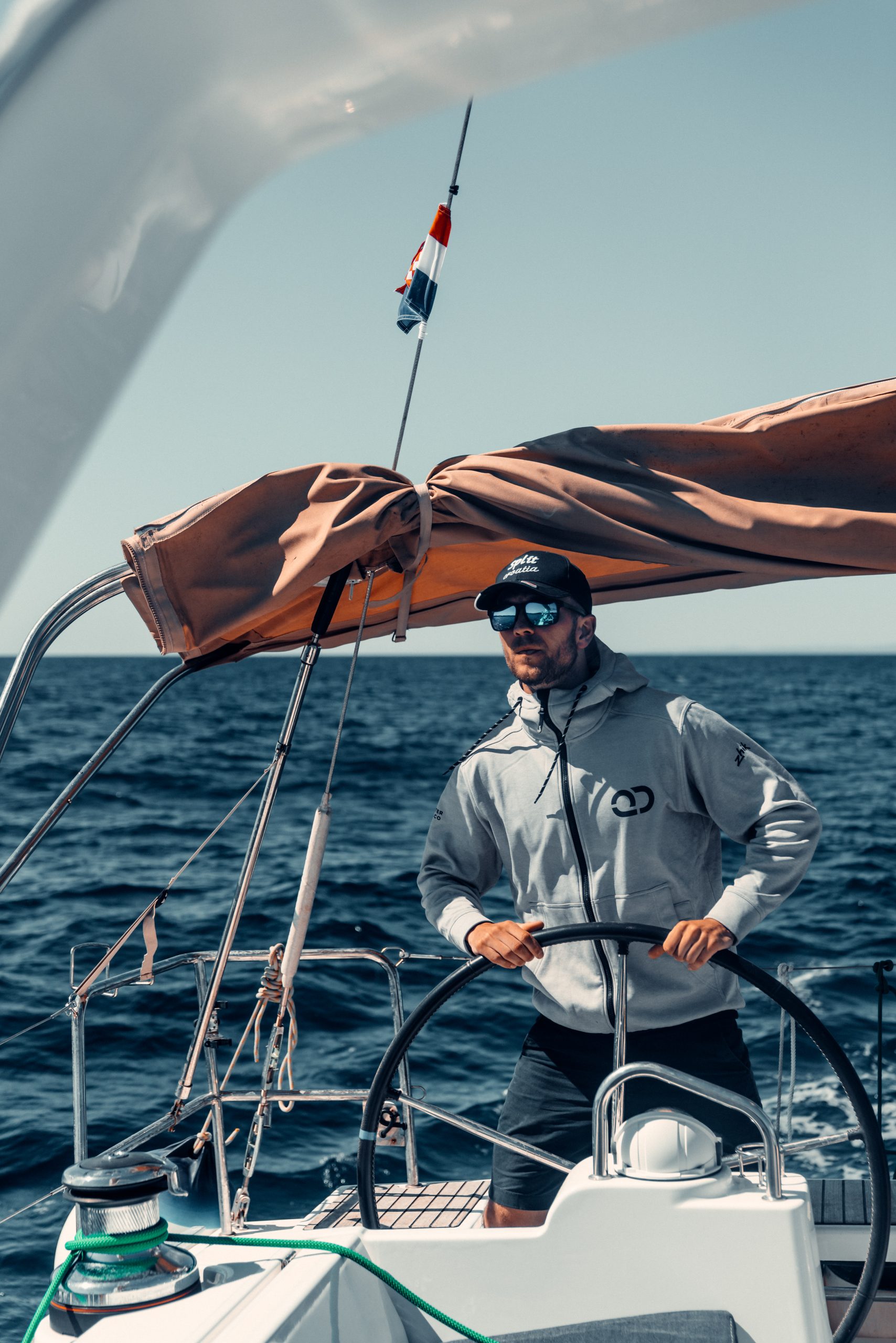
How to Work on Yachts: A Complete Beginner's Guide to Getting Your First Yacht Job
Working on yachts is a real, structured career path. Thousands of people enter the industry every year with no prior maritime experience. The difference between those who get hired quickly and those who struggle is rarely background or talent. It is understanding how the industry works and preparing correctly before starting the job search.
This guide covers everything you need to know: what working on a yacht actually involves, what jobs are available, what qualifications you need, where to find work, and how to get started even if you have no experience.
Is Working on a Yacht Right for You?
Before anything else, it is worth being honest about what yacht work actually involves, because the version that exists on social media and on shows like Below Deck is only part of the picture.
What working on yachts actually means
Yacht work is hospitality work combined with maritime work in a close-quarters, live-aboard environment. You wake up on the boat, work on the boat, eat on the boat, and sleep on the boat for weeks at a time alongside a small crew of three to ten people. You are always on, particularly when guests are aboard. The hours are long. The standards are high. The environment is physically demanding.
That is the honest version. It is also genuinely one of the most rewarding careers people enter: you travel, you build real skills quickly, you earn well relative to your living costs, and the experiences are hard to replicate in a land-based role.
Types of yachts and types of work
Not all yacht work is the same. The main categories that matter for someone starting out are:
Charter yachts carry paying guests on week-long sailing or motor itineraries. The crew manage the entire guest experience: cooking, hosting, sailing, and maintaining the yacht. Charter work is seasonal, concentrated in the Mediterranean from May through October and the Caribbean from November through April. Most people entering the industry start here.
Private yachts belong to a specific owner or family and operate on their schedule rather than a public charter calendar. Crew are typically more permanent, the schedule is less predictable, and the guest group is smaller and more consistent.
Superyachts (generally 24m and above) have larger crews with more specialised roles, more formal structures, and significantly higher pay at senior levels. They are not the starting point for most new crew.
Seasonal and permanent work
Most entry level yacht jobs are seasonal, tied to the charter calendar. A first season in the Mediterranean typically runs May through September. Many crew then move to the Caribbean for a winter season from November through April. Chaining both seasons is common and keeps you working most of the year.
Permanent positions exist, particularly on private yachts and large superyachts, but these come after you have built a track record of seasonal work.
Who yacht work suits
Yacht work suits people who are adaptable, physically capable, genuinely enjoy hospitality or seamanship, and can live and work well with a small group of people in a confined space. It suits people who want to travel without paying for it. It suits people who learn quickly and do not need a conventional office structure.
It does not suit people who need their evenings and weekends to themselves, who struggle with confined living spaces, or who want a predictable daily schedule.
The reality vs what you see on Below Deck
Below Deck is entertainment. The drama is real but the context is compressed and amplified. Real charter yacht work involves far more routine maintenance, provisioning, early starts, and repetitive tasks than any episode shows. The cabins are smaller, the pay is not always as high as the show implies, and the relationships between crew are usually more functional than dramatic. The work is genuinely interesting and the lifestyle is real, but it is work, not a reality television show.
What Jobs Can You Do on a Yacht?
Deckhand
The most common entry-level job. A deckhand handles the exterior of the vessel: washing and polishing the deck, handling lines during docking and departure, anchor operations, driving the tender, maintaining the deck and hardware, and assisting the skipper with sailing operations. No prior yachting experience is required for a first deckhand position. STCW Basic Safety Training and an ENG1 medical certificate are the minimum qualifications. A Powerboat Level 2 qualification is expected for tender driving.
The deckhand role is the starting point for most people who eventually become bosuns, deck officers and captains. For a full breakdown, see the Deckhand Jobs page.
Steward and Stewardess
A steward or stewardess manages the interior of the yacht: housekeeping, room preparation and daily turnovers, breakfast and drinks service, table setup and clearing, and guest interaction throughout the charter. On smaller yachts, the host covers both interior service and cooking. On larger vessels the roles are separate.
No yachting experience is required. Strong hospitality, hotel or customer service backgrounds are directly relevant. STCW and ENG1 are required for commercial vessels. This is one of the most accessible roles for people coming from land-based hospitality. See the Yacht Host and Chef Jobs page for more detail on hospitality roles.
Chef and Host
On most 40–60ft charter sailing yachts, the host manages both the cooking and the hospitality. The role covers provisioning, breakfast, lunch, afternoon snacks, and dinner service alongside interior presentation and guest care. On larger yachts, a dedicated private chef handles all food.
Strong independent cooking ability is the core requirement. Formal qualifications are not mandatory but hospitality training significantly strengthens an application. Quarterdeck’s Host Academy is a structured one-week training programme that takes candidates with a cooking background through real charter scenarios and places them into paid work after passing. For those who need to build their cooking foundation first, Galley Academy is the entry point. See the Yacht Host and Chef Jobs page for full details.
Skipper and Captain
The skipper is in command of a yacht: navigation, passage planning, guest safety, docking, and managing the crew. On charter yachts, the skipper also manages the guest experience alongside the host.
This is not an entry-level role. A recognised sailing qualification (RYA Yachtmaster or equivalent), significant sea time and relevant experience are required. The typical pathway runs from Sailing Academy through Skipper Academy, with placement into professional charter work after passing assessment. See the Captain Jobs and Skipper Jobs pages for the full pathway.
Engineer, Mechanic and Electrician
Marine engineers and yacht mechanics maintain and repair the propulsion, mechanical and electrical systems of yachts. These are technical roles for people with relevant land-based engineering backgrounds (automotive, diesel mechanics, marine engineering) who transition into the marine sector.
Relevant qualifications include ABYC certifications, City and Guilds Level 3 NVQ in Marine Engineering, and engine manufacturer certifications (Volvo Penta, Yanmar). Superyacht engineering roles require STCW and MCA Y-ticket certification. See the Yacht Mechanic Jobs and Yacht Electrician Jobs pages for detailed pathways.
How to Work on a Yacht With No Experience
Working on a yacht without prior maritime experience is possible. Entry level roles including deckhand, steward and host are specifically designed for people entering the industry without a yachting background.
What matters at the entry level is not experience. It is preparation.
Transferable skills that count
Hospitality and customer service: Hotel work, restaurant service, events, bar work. All of this transfers directly into steward and host roles. Guest interaction, working under pressure, maintaining standards.
Cooking: Home cooking, catering or professional kitchen experience all apply to host roles on charter yachts. You do not need chef qualifications. You need to be able to cook competently and independently.
Housekeeping and cleaning: Relevant for steward and host roles. On charter yachts with a single host, guests manage their own cabins while the host maintains common areas, the galley and shared spaces. On larger yachts with dedicated interior crew, cabin turndowns are part of the role.
Mechanical and technical trades: Automotive mechanics, electricians and plumbers have the most relevant background for marine engineering roles.
Physical fitness and outdoor experience: Deckhand roles are physical. Any outdoor, physical or hands-on work experience is a relevant context.
Do you need sailing experience?
For hospitality roles (host, steward), no. The skipper is responsible for navigating and sailing the yacht. Your job is the hospitality side.
For deckhand roles, sailing experience helps but is not required for entry-level positions. You will learn on the job.
For skipper and captain roles, yes. Sailing experience and a recognised qualification are required before you apply for paid command positions.
Attitude matters as much as background
The yacht industry is small. Captains and fleet managers talk to each other. Your reputation from one charter follows you to the next. Candidates who are reliable, adaptable, willing to work hard and take direction, and who maintain a professional attitude in a demanding environment get hired again and referred to others. This is more important than any certificate.
Step-by-Step: How to Get Your First Yacht Job
Step 1: Understand which role fits your background
Start with an honest assessment of your existing skills, not just your preferences. A hospitality background points toward the host or steward. A mechanical background points toward engineering. No specific background makes deckhand the most accessible entry point. Research what each role involves day-to-day before committing to a training pathway.
Step 2: Complete essential training
For commercial yacht work you need STCW Basic Safety Training and an ENG1 medical certificate as a minimum. Without these, you cannot legally work on a commercial vessel. The STCW course takes approximately four to five days and covers personal survival, fire prevention, basic first aid and personal safety.
For hospitality roles, structured training such as Quarterdeck’s Host Academy builds the specific skills charter operators look for and connects you directly with placement opportunities. For deckhand roles, additional qualifications such as Powerboat Level 2 and an SRC VHF radio licence strengthen your application significantly.
Step 3: Prepare your CV
A yachting CV is different from a standard CV. It is typically one page, professional and concise, and includes a headshot, brief personal statement, your qualifications, relevant experience and contact details including your current location. Captains and fleet managers review many CVs quickly. Anything longer than one page is likely to be skipped.
Include all maritime qualifications prominently, even if they are new. Note any relevant transferable experience. List languages you speak. Do not include irrelevant work history.
Step 4: Build practical experience
The fastest way to build practical experience is day work. Showing up at a busy marina and offering day work to yachts in person is a genuinely effective method of breaking in, particularly in key hubs like Antibes, Palma de Mallorca, Split and Fort Lauderdale. Day workers are paid approximately €100 to €120 per day and the work creates direct relationships with captains who hire seasonal crew.
If day work is not accessible, completing a recognised training course (such as Quarterdeck Host Academy, Skipper Academy or Sailing Academy) gives you structured, documented experience in a real maritime environment with an instructor reference.
Step 5: Apply for jobs
Crew agencies, job boards, and staff marketplaces are the main channels for yacht job applications. Registering on a platform like the Quarterdeck staff marketplace puts your profile in front of charter operators and fleet managers who search by role, dates and availability.
Timing matters. Mediterranean season hiring runs primarily from January to March for an April or May start. Applying in April for a summer season starting in May limits your options significantly.
Step 6: Prepare for interviews
Yacht interviews are practical as much as formal. Captains and fleet managers want to understand your experience, your attitude to hard work, and whether you will get on with the rest of the crew. Be specific about what you have done, what you can cook or what you can fix. Be honest about what you do not know. Express willingness to learn. References from previous roles matter: have them ready.
What Qualifications Do You Need to Work on a Yacht?
STCW Basic Safety Training
Mandatory for all commercial yacht crew. Covers personal survival techniques, fire prevention and firefighting, basic first aid, and personal safety and social responsibilities. Takes four to five days to complete and must be renewed every five years.
ENG1 Medical Certificate
Required for all commercial crew. Confirms you are fit for sea service. Issued by an approved maritime doctor and renewed every two years.
Powerboat Level 2
The RYA Powerboat Level 2 is the standard qualification for driving tenders. Expected by most operators for deckhand and steward roles. Typically a two-day course.
SRC VHF Radio Licence
Required to operate a marine VHF radio. Standard expectation for most crew roles.
Role-specific qualifications
Skippers and captains: RYA Yachtmaster Coastal or Offshore (preferred), ICC, or recognised national equivalents. MCA certification for larger commercial vessels.
Hosts and chefs: No mandatory formal qualification, but Food Hygiene Level 2 is expected. Structured training through Host Academy is the most direct route to placement.
Marine engineers: NVQ Level 3 in Marine Engineering, ABYC certifications, engine manufacturer certifications. MCA Y-tickets for superyacht engineering.
Yacht electricians: ABYC Electrical Certification, NVQ Level 3, manufacturer certifications. STCW ETO Certificate of Competency for larger commercial vessels.
Where to Find Yacht Jobs
Crew agencies
Specialist maritime and hospitality crew agencies hold relationships with yacht owners and charter operators and match candidates to positions. Most charge nothing to candidates. Agencies are particularly useful once you have some experience and references.
Crew job boards and marketplaces
Platforms like Yotspot, YachtieCareers and the Quarterdeck staff marketplace allow candidates to create a searchable profile and apply to listed positions. Operators actively search these platforms for available crew by role, dates and location. Creating a complete, professional profile is the most scalable approach to job searching.
Training providers
Completing a structured training programme gives you more than qualifications. Quarterdeck’s Host Academy and Skipper Academy both connect graduates with placement opportunities directly through the Quarterdeck network. The relationship between training and placement is built in.
Dockwalking
In the main charter hubs (Antibes, Palma, Split, Fort Lauderdale), physically visiting marinas with printed CVs and speaking to captains and first officers directly is still effective, particularly for deckhand and day work positions. It works because it demonstrates initiative and allows captains to assess you in person. It works better in person than the same CV sent by email.
Timing your search
Mediterranean hiring peaks between January and March. Caribbean hiring for the November season typically starts from August. Applying in season, during a period when operators have gaps to fill, is also possible but the best positions are filled before the season starts.
Working on Charter Yachts vs Private Yachts
Charter yachts | Private yachts | Guest group | Different group each week | Same owner or family
|
|---|---|---|
Schedule | Fixed charter calendar | Owner’s itinerary |
Tips | Standard, can be substantial | Less common or absent |
Guest interaction | High, new guests weekly | More personal and consistent |
Workload | Intense during charter weeks | More variable |
Career progression | Strong, broad experience | Strong, deeper relationships |
Entry difficulty | More accessible | Harder without references |
Charter yachts are the better starting point for new crew. The weekly turnover of guests builds experience quickly and operators are more accustomed to taking on first-season candidates. Private yachts offer more stability once you have experience and references.
Can You Work on Yachts in Europe?
Europe is the main market for sailing charter yacht work, concentrated around the Mediterranean.
Croatia
Split, Dubrovnik, Trogir and Sibenik are the main charter bases. The Croatian season runs from late April through October with peak demand from June to August. Croatia is one of the most accessible entry points for new crew, particularly for host and skipper roles through operators like Quarterdeck.
Greece
Athens (Flisvos, Alimos, Zea Marina), Lefkada, Corfu and Kos are the primary departure points. The Greek season mirrors Croatia, running May through October.
France and the Mediterranean Riviera
Antibes and the Cote d’Azur are the centre of gravity for the superyacht market in Europe. Day work, crew agencies and long-term crewing opportunities are all concentrated here. More competitive than Croatia or Greece for entry-level positions.
Spain
Palma de Mallorca is one of the most active crew recruitment hubs in Europe, particularly for superyacht roles. A significant year-round marina maintenance and refit market exists alongside the seasonal charter operation.
Visa considerations
EU and EEA passport holders can work across European charter destinations without additional permits. Non-EU nationals should check the specific visa and work permit requirements for each country before committing to a season. For yacht-specific operations in international waters, the situation is more complex: speak to an agency or your flag state for specific advice.
Best time to apply
For the Mediterranean season starting in May, apply and complete your STCW by February or March at the latest. The best positions are filled early. Late April applications for a summer start are possible but the range of available roles narrows significantly.
How Much Can You Earn Working on a Yacht?
Earnings vary depending on role, vessel size, experience and whether you are on charter or private work. Accommodation and meals are covered during active assignments on all live-aboard contracts, which substantially increases the effective value of the monthly pay compared to a land-based role at a similar figure.
Hosts and hospitality crew: Entry-level charter positions vary depending on operator, assignment type and the size of the operation. Pay increases with experience and the type of charter. Experienced crew negotiate their own rates.
Deckhands: Entry-level Mediterranean positions typically pay €2,000 to €2,800 per month.
Marine engineers and ETOs: Mid-range superyacht positions pay €2,500 to €4,000 per month at entry to mid-level, rising to €8,000 per month or above for chief engineers on larger vessels.
Tips: Standard on charter yachts. A good charter week can generate €500 to €2,000 or more in shared tips across the crew.
Earnings are best understood across a full season rather than per week. A first-season host working six to eight weeks in Croatia, a second block in Greece and returning for the following season will see income and rates increase steadily.
What Is Daily Life Like Working on a Yacht?
A typical charter week as a host or deckhand on a 40-60ft sailing yacht looks like this:
Early morning: up before the guests, prepare the deck and galley, start breakfast. Guests up from around 08:00. Breakfast service until 09:30. Clean down, prepare the yacht for departure. Sail to the next anchorage or marina. Guests swim, explore, or relax on deck. Prepare lunch during the sailing leg or at anchor. Lunch is served around 13:00. Afternoon: free time in good weather, maintenance or preparation tasks when not. Afternoon snacks from 16:00 as guests return from shore or the water. Dinner prep from 17:30. Dinner service from 19:00. Clear down and reset. Off at 22:00 on a good night.
Changeover day (Saturday) is different: the entire yacht must be cleaned, restocked and reset between one group departing and the next arriving, typically within a few hours.
Living arrangements are compact. Crew cabins on a 40-60ft yacht are small. Privacy is limited. You share a bathroom with one or two other crew members. You get used to it quickly, and most people find the quality of the environment outside the cabin more than compensates.
The travel is real. In a single Mediterranean season you might spend time in Split, Hvar, Kotor, Corfu, Lefkada, Kos and Athens. In the Caribbean you might work across Tortola, St John, Jost Van Dyke and the Grenadines. You are paid to be there.
FAQ
Yes. Entry-level roles including deckhand, steward and host are designed for people entering the industry without prior maritime experience. STCW Basic Safety Training, an ENG1 medical and a professional CV are the starting points. Completing a structured training programme improves your chances of getting hired quickly.
Most operators and training programmes require a minimum of 18. Some superyacht positions specify 21 for certain roles.
For hospitality roles (host, steward, chef), no. For deckhand roles, experience helps but is not required at entry level. For skipper and captain roles, yes.
Yes, for any paid position on a commercial yacht. It is the first thing to complete before you start your job search.
Yes. Seasonal contracts are the norm for entry-level positions. A single summer is a completely legitimate and common approach.
It is possible, but not guaranteed. Some operators might hire couples for host and skipper roles. Others prefer to manage crew independently. Being flexible about this increases your options significantly when starting out.
Yes, for the right person. The progression from deckhand to bosun to deck officer to captain is structured and achievable within five to eight years of active sea time. Experienced senior crew earn very well and the lifestyle for those who suit it is difficult to match in a land-based career.
Most crew who complete STCW and have a professional CV in place find their first position within two to six weeks, particularly if they are available in or near a charter hub. Those who complete a structured training programme with placement support often receive their first offer during or immediately after the course.
Yes. Most of the yacht work is skills and certification-based.
Where to Start
The first step is the same regardless of which role you are targeting.
- Complete STCW Basic Safety Training. The legal minimum for paid work on any commercial yacht. Do this before anything else.
- Get your ENG1 medical certificate. Book it alongside or immediately after STCW.
- Identify the role that fits your background. A hospitality background points toward host or steward. A mechanical background toward engineering. No specific background makes deckhand the most accessible entry point.
- Build your yachting CV. One page, professional, with a headshot. Include qualifications, relevant experience and your current location.
- Position yourself in a charter hub or register on a crew platform. The main European hubs are Antibes, Palma and Split. Crew platforms and marketplaces put your profile in front of operators searching for available crew.
- Apply early. Mediterranean hiring peaks January to March. The best positions are filled before the season starts.
If you want to work as a host on a charter yacht, Host Academy and Galley Academy are structured training routes that connect graduates with paid placements.
If you want to work as a skipper, Sailing Academy and Skipper Academy are the relevant starting points.
If you are already qualified and experienced, you can register your profile on the Quarterdeck staff marketplace to be visible to charter operators and fleet managers looking for crew.