
Skipper Pricing Explained: Training Cost, Salary & Charter Rates
Skipper pricing in the yacht charter industry covers 2 main areas: the cost of qualifying and the pay levels once working professionally. This guide explains both what it costs to become a commercially qualified skipper and what skippers typically earn on charter, along with how hire rates are structured from an owner’s perspective.
Skipper Academy Cost – What You’re Paying For
Before a skipper can work professionally, they must complete structured training and pass assessment standards required by charter operators and insurers.
At Quarterdeck, Skipper Academy is a 7-day professional training and assessment course designed for experienced sailors moving into charter work.
Current Quarterdeck Skipper Academy Cost
- 2026 courses: 900€
- 2027 courses: 1,050€
The course fee covers
7 days of practical skipper training
- Use of 40–60ft charter yachts
- Instruction from experienced skippers and trainers
- Formal pass/fail assessment
- Operational training (docking, med-mooring, guest operations)
It does not typically include
- Travel to and from the training location
- Personal insurance
- Additional certification fees (if required separately)
- Accommodation outside the training program
For detailed course structure, see Skipper Academy.
Factors That Influence Skipper Academy Cost
There isn’t one universal price for professional skipper training. Costs reflect course structure, operating environment, instructor ration, and assessment standards.
Training Location
Training in high-demand charter regions typically costs more due to yacht rental costs, marina fees, and operational logistics. Running courses in established charter areas ensures realistic conditions, but these environments carry higher baseline expectations.
Group Size and Training Format
Group size has a direct impact on the course.
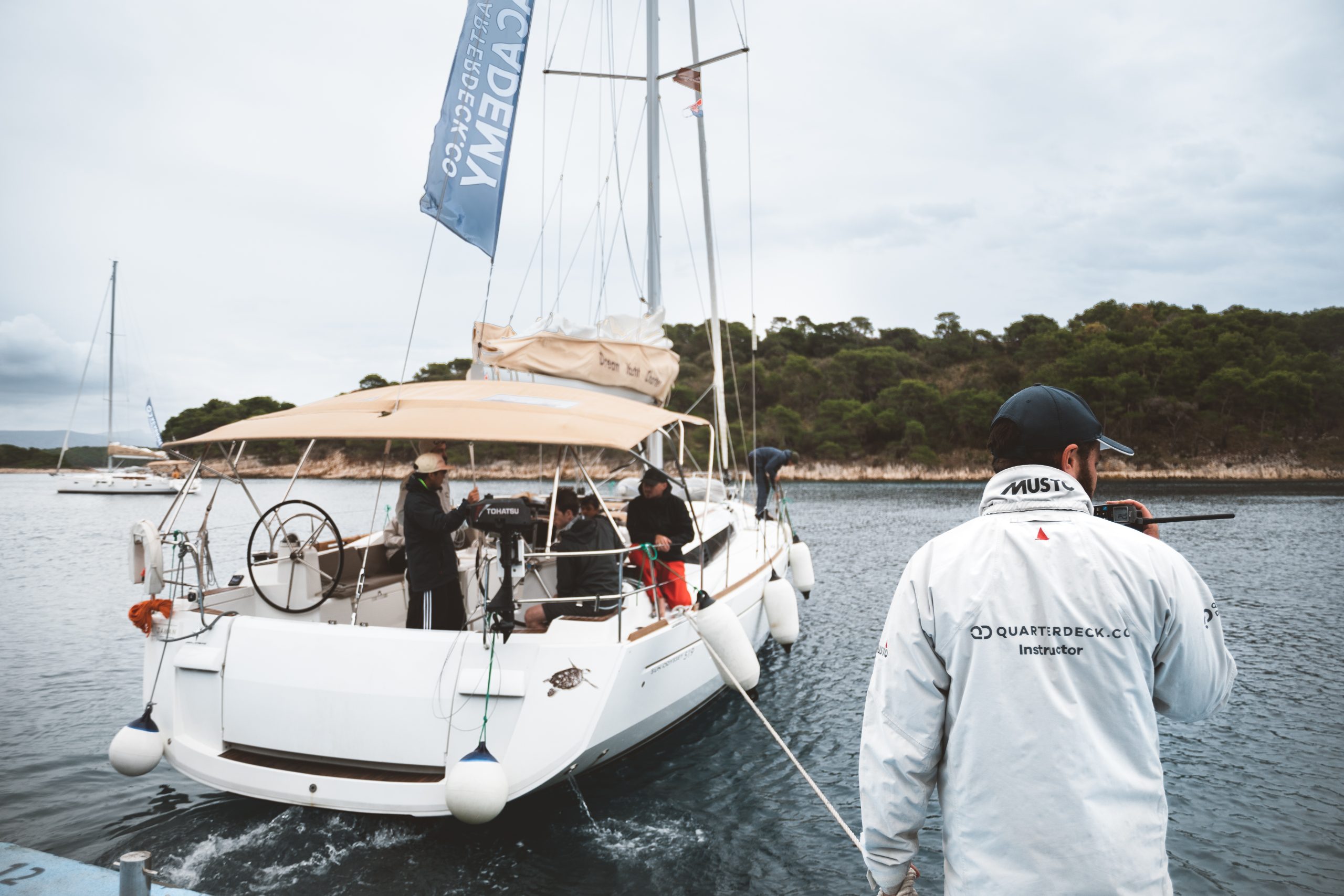
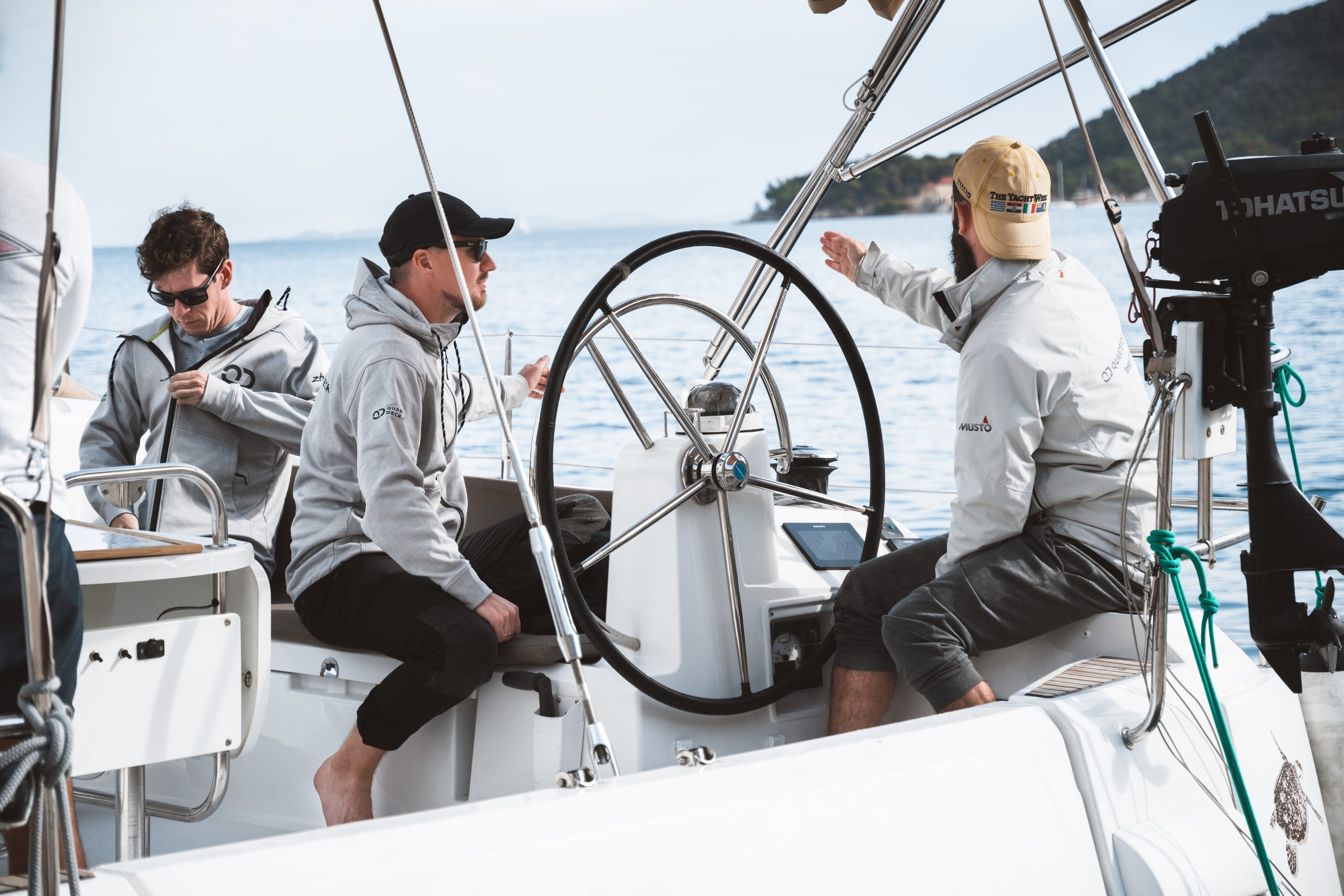
At Quarterdeck, Skipper Academy typically runs with 4 students per instructor (occasionally 5). This keeps instruction focused and allows proper assessment in real conditions.
Beginner level courses (such as Sailing Academy) often run with fewer students per yacht, which increases cost per participant due to higher supervision requirements.
Smaller groups mean
- More helm time
- More direct feedback
- More realistic leadership environment
- More accurate assessment.
Level of Experience
Some candidates require additional preparation before entering assessment level training. Pre-training or supplementary courses can affect total investment before formal assessment begins.
Time of the Year the training is conducted
Running training during peak tourist season increases yacht rental and marina costs. While some Quarterdeck courses are scheduled outside peak weeks, this is not always possible.
Skipper Pay Levels – What Do Skippers Earn?
Skipper salary depends on:
- Yacht size
- Charter type (event, flotilla, private charter)
- Region
- Experience level
Standard Quarterdeck Assignment Rates
- Weeks 1–2: €400 per week
- Weeks 3+: €600 per week
Onboard living is covered during assignments.
Across the wider charter industry, private charter skippers may earn more on high-value yachts. In general:
Typical charter skipper pay range (industry-wide):
€600 – €1,500+ per week depending on yacht size and responsibility.
Larger yachts and higher service expectations usually mean higher pay.

What Makes Quarterdeck Different?
Many skipper academies offer training.
Very few offer actual work.
Quarterdeck’s key difference is this:
Candidates who pass Skipper Academy typically receive 5–6 weeks of paid charter work in their first season, something very few training providers can offer.
This first-season work is critical.
Most charter companies hesitate to hire first-time skippers. Quarterdeck provides that first professional season, which then makes work significantly easier to secure elsewhere in the industry.
What It Costs to Qualify for Professional Skipper Training
Before attending a professional skipper academy, candidates must already hold a licence appropriate for commercial charter work.
There is a significant difference between:
- Recreational sailing licences (used for private/leisure sailing)
- Professional level licences (required for commercial charter work)
As a general reference:
- Recreational licences typically involve lower cost and lower responsibility standards.
- Professional level licences (e.g. RYA Yachtmaster Offshore or equivalent) require higher examination standards, documented sea miles, and higher certification level.
This qualification step is separate from the skipper academy course itself.
Professional skipper academies, including Quarterdeck’s, assume candidates already meet required licence standards before training begins.
The cost of qualifying depends on

Issuing authority

Required sea miles

Training location

Examination and certification
These costs are external to the academy fee and vary by country.
These figures are indicative only and depend on location, vessel type, and provider.
Skipper Pricing From a Yacht Owner Perspective
If you’re hiring a skipper privately or through a charter operator, pricing reflects
- Responsibility for yacht and guests
- Commercial insurance requirements
- Operational decision-making
- Experience level
- Reputation and track record
For private charters, skipper hire rates vary significantly based on yacht value and destination. Quarterdeck is launching a staff marketplace where yacht owners can filter, review, and book professional skippers directly.
Skipper Academy Cost vs Recreational Sailing Courses
It’s common to compare skipper academy costs to recreational sailing courses. So it’s important to know that they serve different purposes.
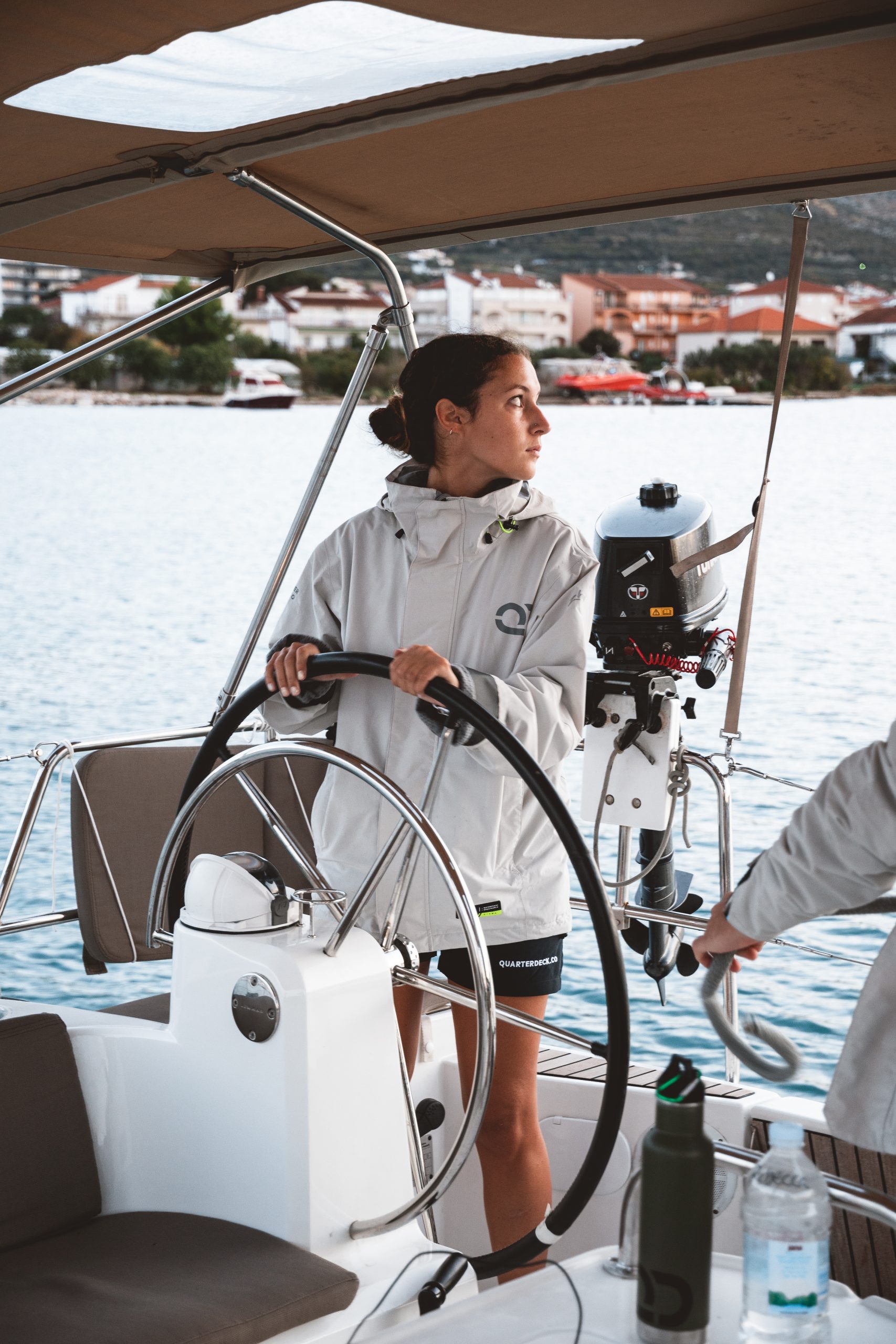
Recreational Sailing Courses
- Licence focused
- Exam based
- Designed for private sailing
- Lower responsibility
Professional Skipper Academy
- Charter operations
- Guest management
- Leadership and accountability
- Formal assessment
- Industry work alignment

Professional training is priced differently because professional responsibility is different.
Budgeting for a Career as a Skipper
- If you’re planning to work professionally, consider: Skipper academy cost
- Travel and accommodation expensesRequired certifications (First Aid, VHF, licence level)
- Living costs between assignments
- Check whether food or lodging is included
Some candidates may require pre-training if experience is borderline. Before applying, review Skipper Requirements to avoid unnecessary costs.

Common Misconceptions About Skipper Pricing
You can apply directly to Skipper Academy
No. Work depends on passing assessment and seasonal demand. Quarterdeck does, however, typically provide first-season work for those who pass.
Pay follows responsibility. Larger yachts and higher service standards command higher pay.

How Skipper Pricing Fits Into the Bigger Picture
Professional progression usually follows this order:
- Meet the baseline skipper requirements
- Complete structured skipper training and assessment
- Gain first-season charter work
- Build reputation and increase earning potential
To understand the full journey from experienced sailor to professional skipper, see Become a Skipper.
FAQ – Skipper Academy Cost
Yes. Dietary needs such as vegetarian, vegan, gluten-free, dairy-free, allergies, and personal preferences are discussed during planning and fully accommodated.
Private chefs can be booked for short stays, full weeks, or longer periods, depending on availability and location.
Training fees typically cover instruction and assessment, not guaranteed employment. Work placement depends on performance and seasonal demand.
At Quarterdeck, however, candidates who pass Skipper Academy are typically offered 5–6 weeks of paid first-season work, subject to maintaining professional standards and operational needs. This first-season experience is a key part of how Quarterdeck supports new skippers entering charter work.
Yes. Pricing may adjust due to fuel costs, marina fees, or operational changes.
Disclaimer
Skipper academy cost and skipper pay levels vary by year, region, yacht type, and provider. Figures listed reflect typical industry ranges and Quarterdeck standard rates at the time of publishing. Always confirm current rates before applying or booking.