
Skipper Assessments

Skipper assessments are structured evaluations used to determine whether a sailor is ready to operate a yacht professionally and take responsibility for guests, crew, and vessel. They focus on practical competence, decision making, and safety in real operating conditions, not just theoretical knowledge or licence ownership. 

Passing a skipper assessment confirms that a candidate meets the professional standards required for charter work.

What Is a Skipper Assessment?

A skipper assessment is a formal evaluation of a sailor’s ability to operate a yacht safely and professionally in real-world conditions. 

Unlike recreational exams, skipper assessments look at how you

Handle a yacht under pressure

Make decisions in changing conditions

Communicate with crew and guests

Manage responsibility over a full charter-style week

Assessments are used by training providers and charter operators to ensure consistency, safety, and professional standards across the industry. 

Why Skipper Assessments Are Required?

Professional skippering involves more than sailing skill alone.

Skipper assessments exist to

For charter operators, assessments reduce risk.

For skippers, they provide a clear benchmark for readiness.

This is why passing an assessment is often required before being considered for professional charter work.

Types of Skipper Assessments

Skipper assessments can take different forms depending on context and region.

Training-Based Assessments

These are conducted as part of structured skipper training programs and focus on real charter scenarios over multiple days.

Licence or Authority Assessments

Some assessments are tied to issuing or upgrading a sailing licence and may be overseen by maritime authorities.
Operator-Specific Assessments

Some charter companies carry out their own skipper assessments to make sure candidates meet their operating standards, fleet requirements, and guest expectations.

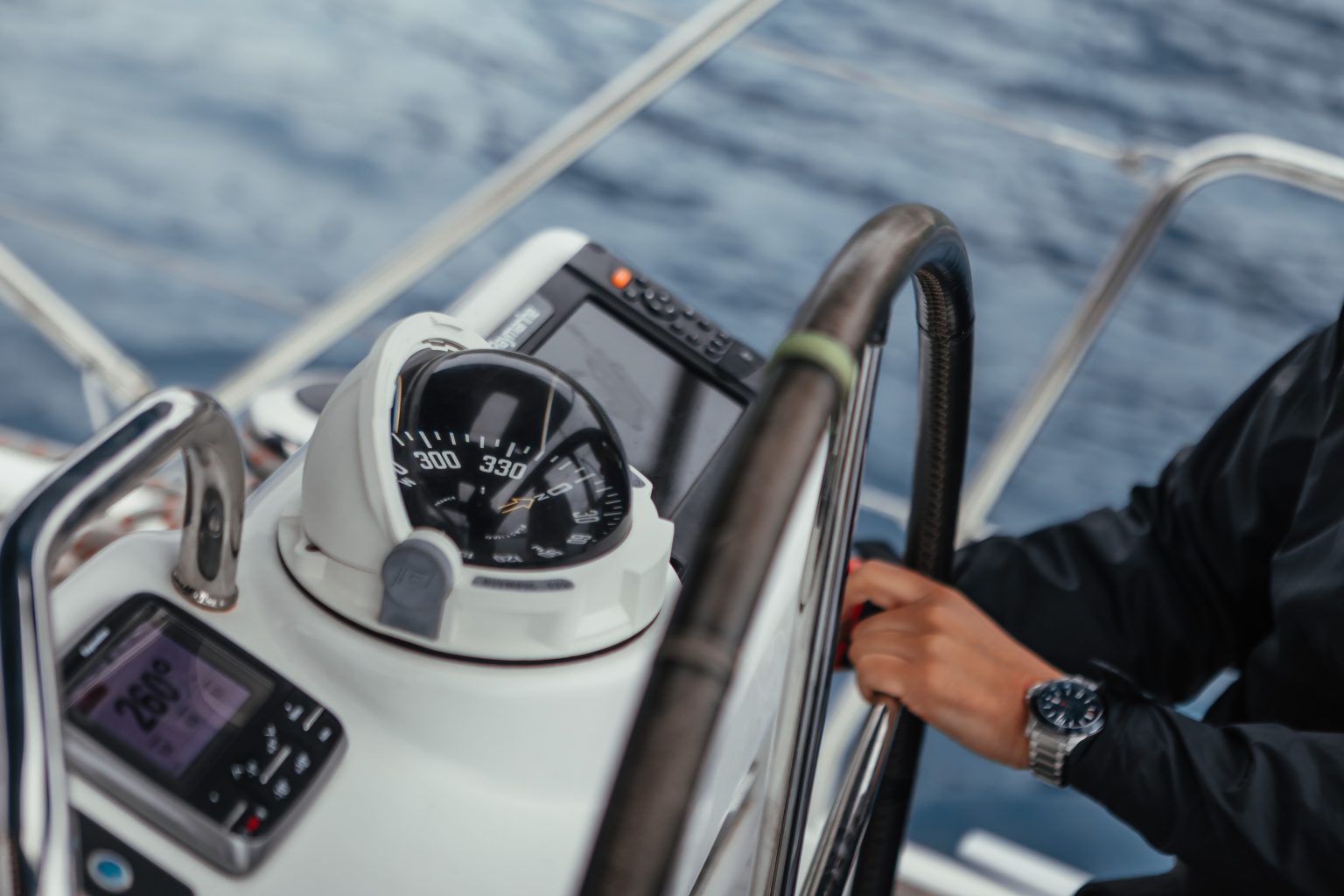
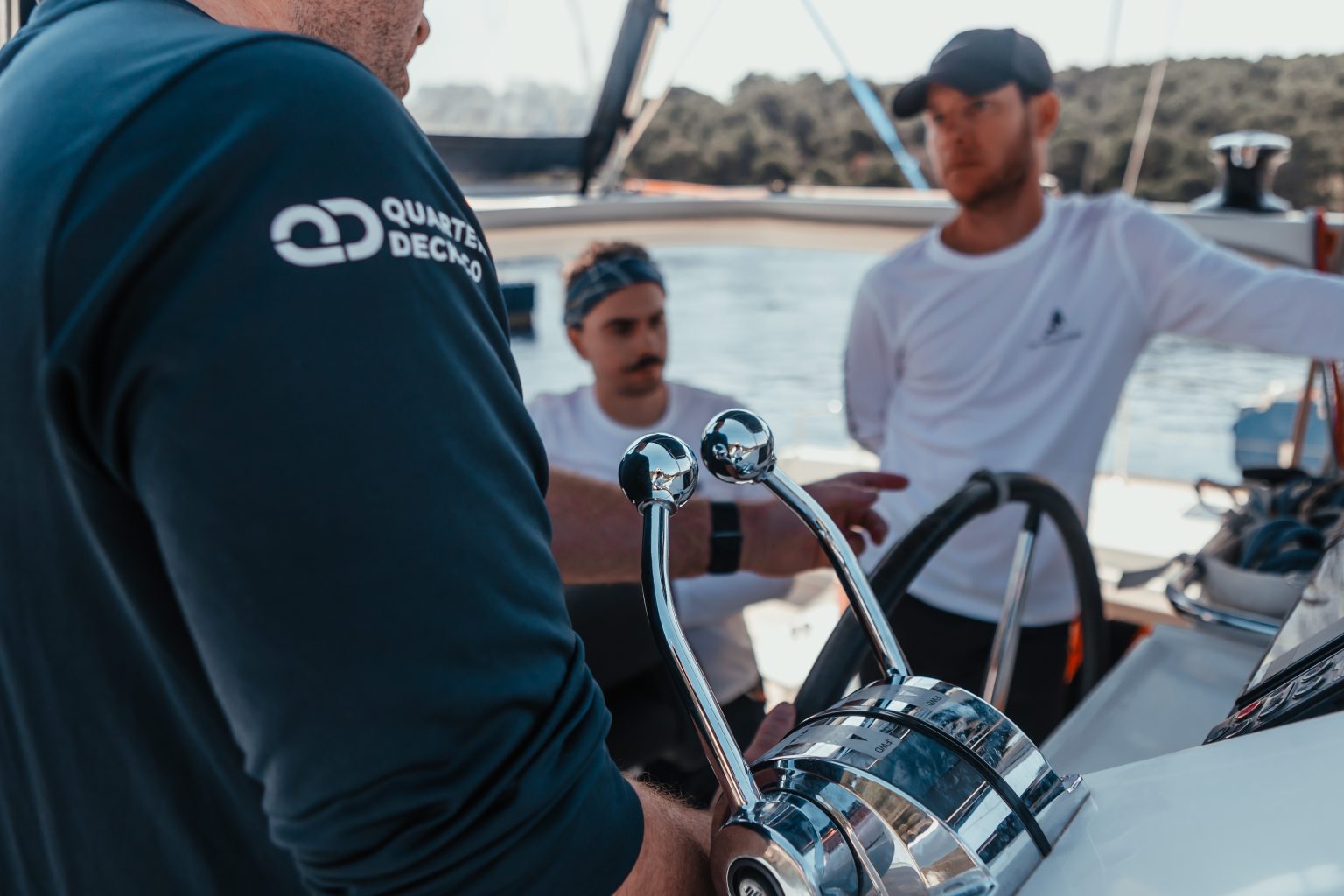
At Quarterdeck, this assessment is built directly into the Skipper Academy, where candidates are evaluated in real charter conditions as part of the training process

What Is Evaluated During a Skipper Assessment

Skipper assessments are practical by design. Evaluators look at how you operate across several core areas. 

Yacht Handling & Seamanship

Navigation & Decision-Making

Safety & Emergency Readiness

Leadership & Communication

Who Conducts Skipper Assessment?

Skipper assessments are typically conducted by

Assessors are chosen based on experience in active charter environments, and their role is to evaluate readiness for real responsibility, not simply technical ability. 

How the Skipper Assessment Process Works

While formats vary, most professional skipper assessments follow a similar structure.

Pre-assessment check

Verification of licences, experience, and prerequisites.

On-water evaluation

Practical sailing, manoeuvring, and scenario-based exercises.

Observation over time

Assessors look at consistency, not one-off performance.

Final review

Clear pass/fail decision with direct feedback.

Quarterdeck assessments are pass/fail and intentionally selective to maintain professional standards.

Preparing for a Skipper Assessment

Good preparation is practical, not theoretical.

Most successful candidates

Common mistakes include

Relying on licence-level knowledge alone

Underestimating communication and leadership

Rushing decisions instead of staying composed

If you’re unsure whether you’re ready to be assessed, it’s often better to step back and review the Skipper Requirements before attempting assessment too early.

Pass/Fail Criteria and Retakes

Skipper assessments are designed to protect safety and standards. 

Not passing is not a failure of potential. It simply means more time is needed before taking responsibility for paying guests.

How Skipper Assessments Fit Into the Process

Skipper assessments sit between experience and professional charter work.

In practice, the process looks like this

Assessments exist to make sure responsibility is taken on at the right moment, not too early, and not without oversight.

To see how this fits into becoming a skipper with Quarterdeck, visit Become a Skipper.

FAQ

How long does a skipper assessment take?

Assessments typically run over several days as part of a training program, allowing evaluators to observe consistency and decision-making over time.

Is a skipper assessment harder than a licence exam?

It’s different. Licence exams test knowledge and manoeuvres. Assessments test judgment, responsibility, and real-world application.

Can I work as a skipper without passing an assessment?

Most professional charter operators require some form of assessment before assigning responsibility for guests and vessels.

What happens if I don’t pass?

You’ll receive feedback on where improvement is needed. Many candidates return after gaining additional experience.

Disclaimer

Skipper assessment standards, formats, and requirements vary by country, training provider, and maritime authority. Always confirm assessment criteria and recognition for the region and type of work you plan to pursue.

Download the Full Provisioning List

Enter your email to receive the provisioning guide.